Biophilic style is becoming a sought-after interior design approach that’s redefining how we experience our homes, particularly in the heart of the home—the kitchen. At its core, this design philosophy celebrates our innate connection to the natural world, transforming functional spaces into serene sanctuaries that nurture both body and spirit.
This beautiful interior design philosophy offers something rare in our high-tech, modern world. It’s a way to bring the restorative power of nature into the heart of your home, creating a space that doesn’t just look stunning but actively supports your health, happiness, and well-being.
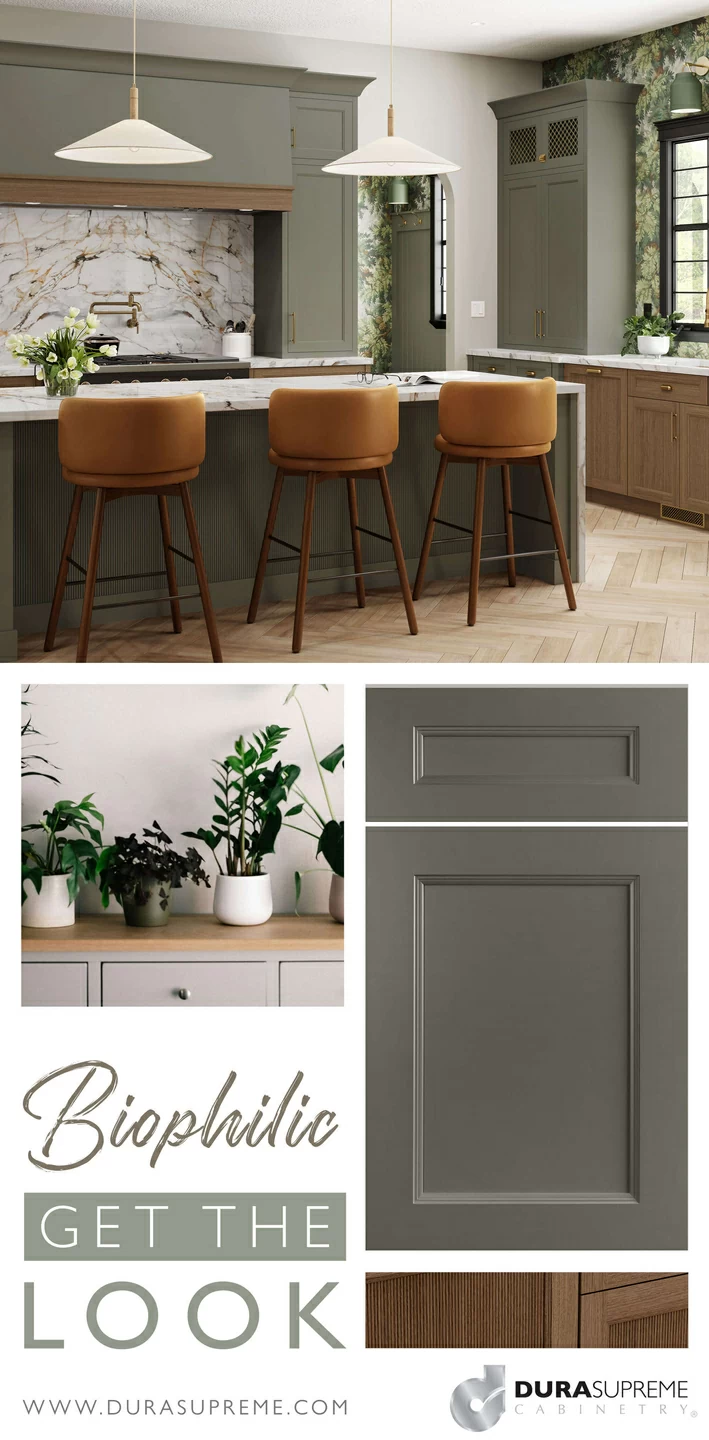
In a Biophilic kitchen design, every element—from the warmth of natural wood cabinetry to the filtered sunlight dancing across stone surfaces—invites you to pause, breathe, and immerse yourself in an environment that feels as restorative as a walk through the forest.
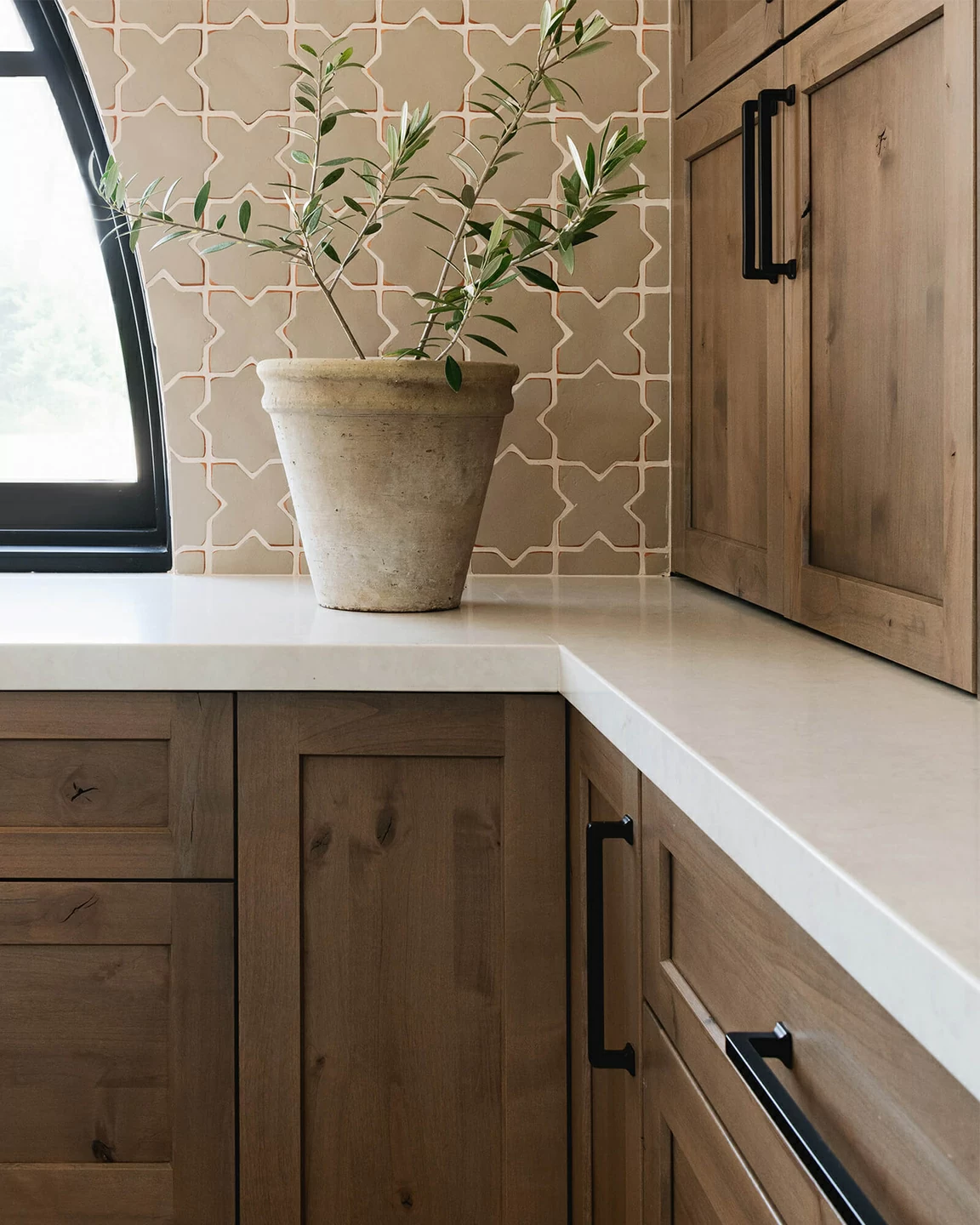
Design by Honeycomb Home Design in Arroyo Grande, California. Photo by Lisa Maksoudian featuring Dura Supreme Cabinetry.
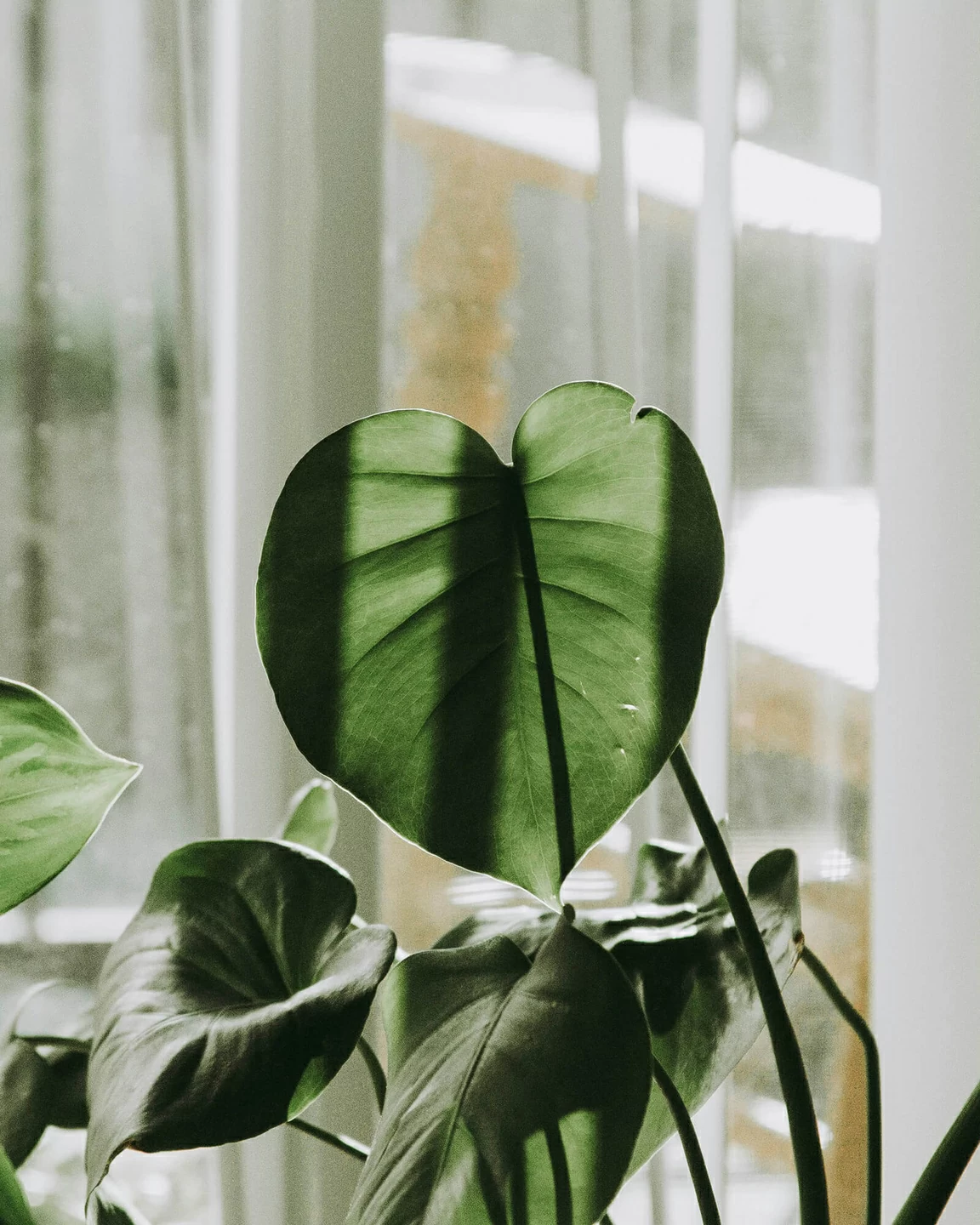
The gentle presence of living greenery purifies the air while reducing toxins and increasing oxygen levels, creating a healthier living space for you and your family.
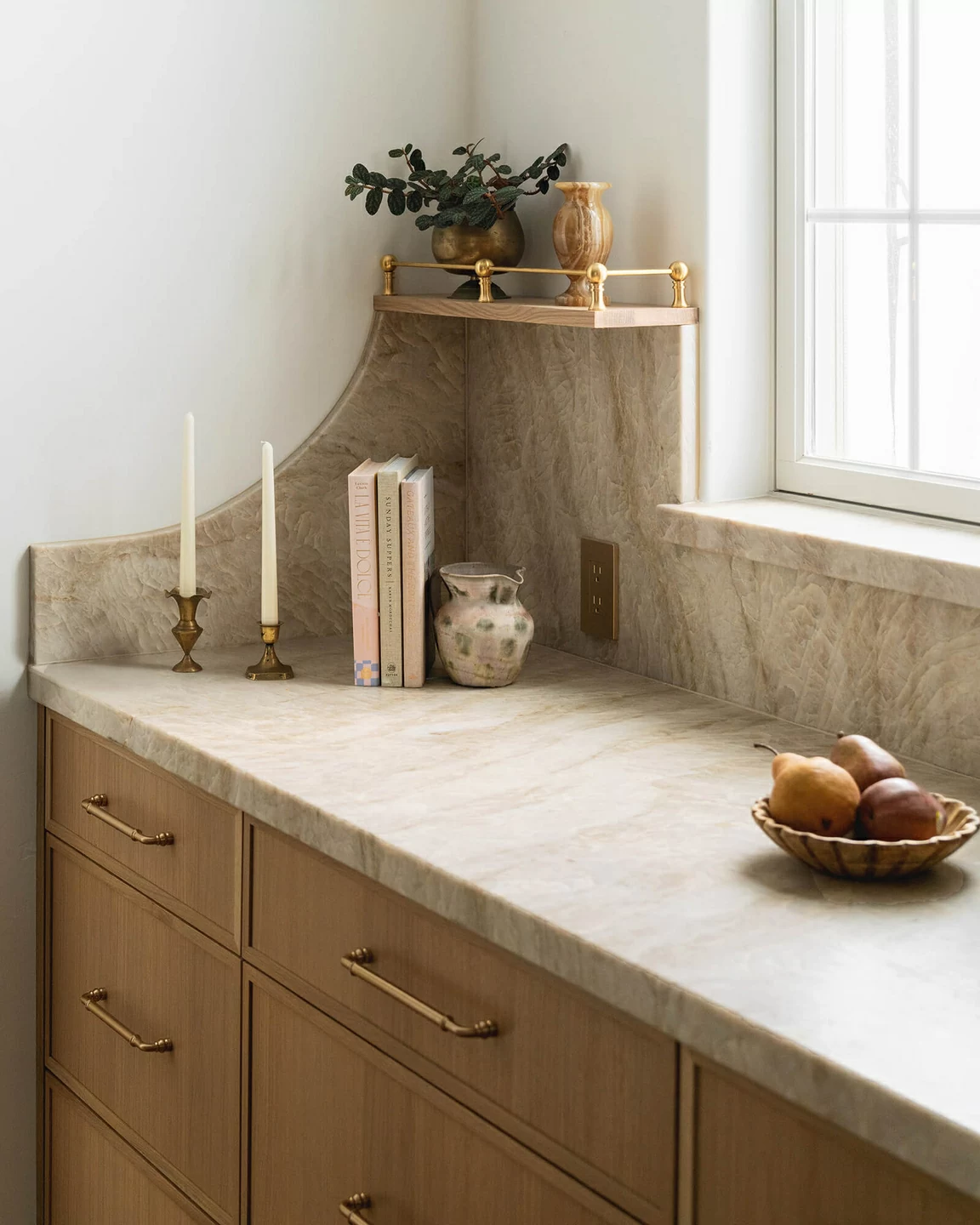
Design by Honeycomb Home Design in Arroyo Grande, California. Photo by Lisa Maksoudian featuring Dura Supreme Cabinetry.
Understanding Biophilic Design Principles
This design style goes beyond mere aesthetics. Multiple studies have demonstrated that incorporating natural elements into interior spaces can reduce stress, elevate mood, and enhance overall well-being. Your kitchen evolves into a sanctuary where boundaries between indoors and outdoors beautifully blur, where living greenery purifies the air, and where natural light brings both a peaceful atmosphere and energy efficiency. When you design with Biophilic principles, you’re crafting an environment that actively supports your wellness and reconnects you with the natural rhythms that ground us all.
The Evolution of Biophilic Design
The Biophilic design movement finds its roots in humanity’s age-old relationship with nature, but its formal principles emerged more recently as our modern lives became increasingly separated from the natural world. The term “biophilia,” meaning “love of life or living systems,” gained prominence through the work of biologist E.O. Wilson, who explored our inherent attraction to nature and other forms of life. As urbanization accelerated and indoor living became the norm, designers and architects began recognizing the psychological and physical toll of disconnection from natural environments. This awareness sparked a movement to intentionally reintroduce natural elements, patterns, and experiences into our built spaces.
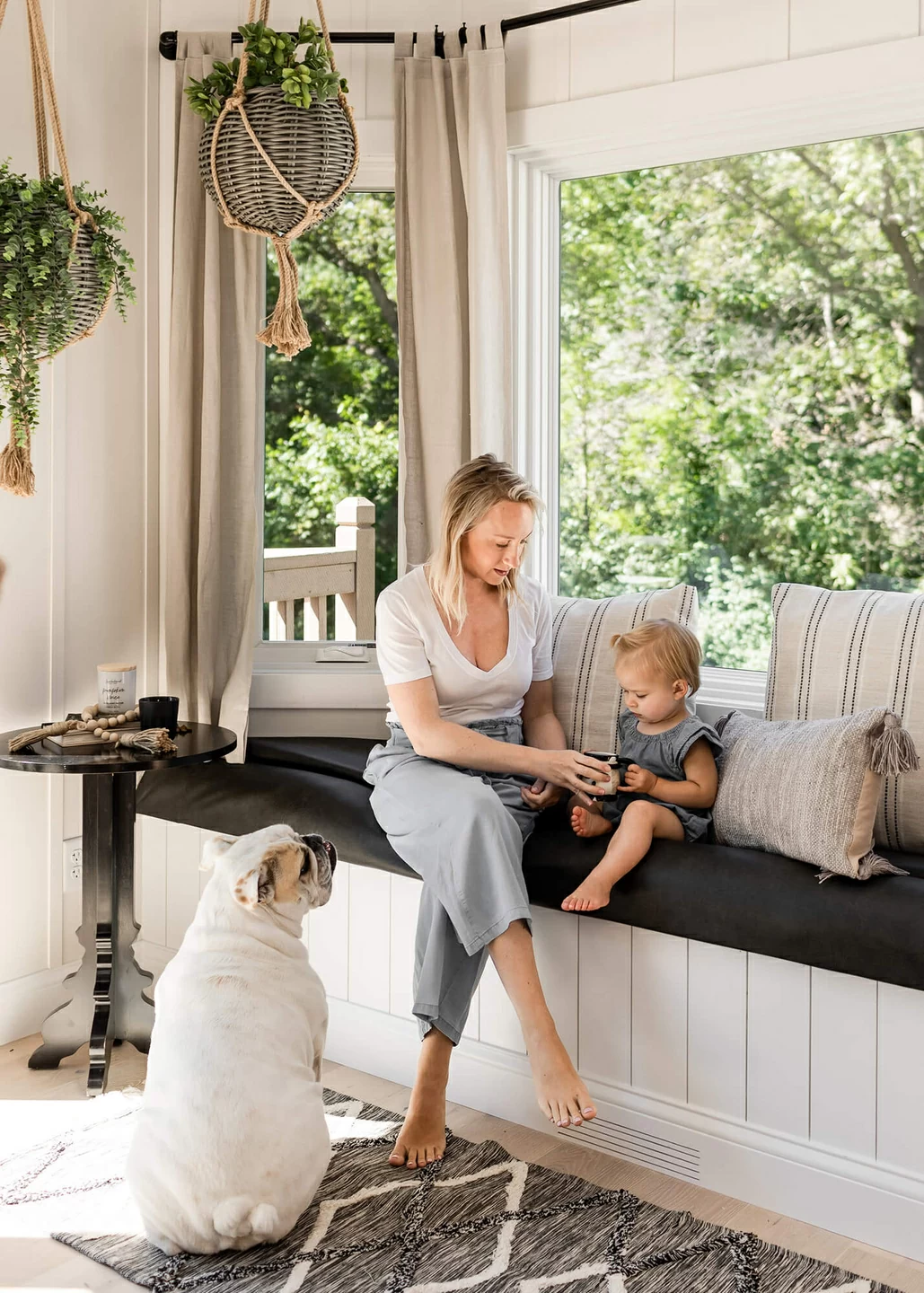
In recent years, Biophilic design has moved from a niche concept to a leading trend in interior design, particularly in kitchen spaces where we spend considerable time cooking, gathering, and creating memories. The growing appreciation for nature’s calming influence on our lives has fueled this evolution. People are seeking more comfort and coziness at home through painted nooks, moody wallpaper, warm wood tones, and rich, colorful upholstery. There’s a rise in soft, warm nuances that are spirit-lifting and dopamine-enhancing. We long for spaces that bring nostalgic moments to mind — fond recollections from our past that elicit a sense of warmth, comfort, and belonging.
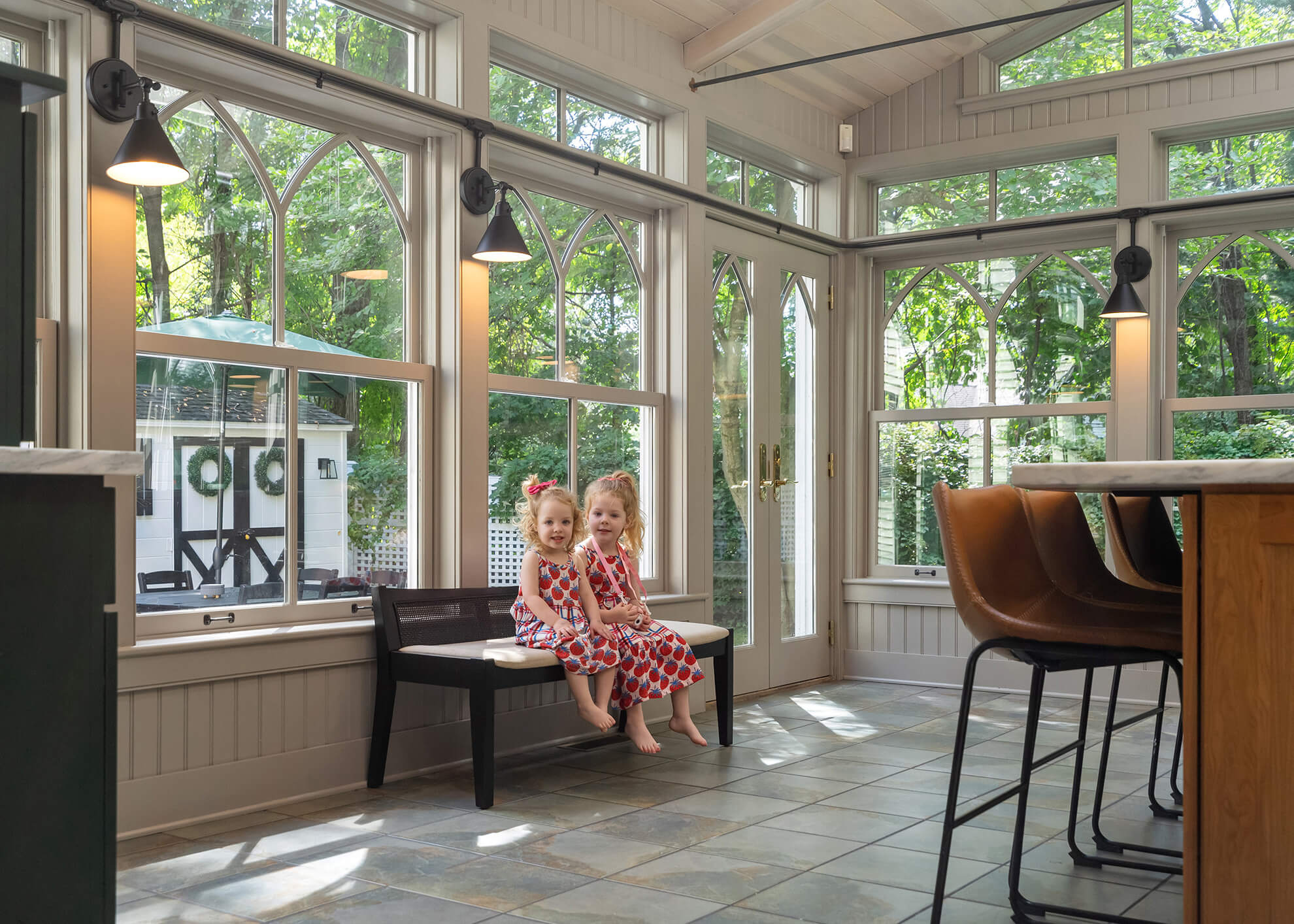
This biophilic kitchen design brings natural light in at all angles! Design by Kerri Sinnenberg of KBC Design Studio in Rexford, New York featuring Dura Supreme Cabinetry’s Avery door style in a combination of a “Roycroft Bottle Green” (SW 2847) Personal Paint Match finish for the perimeter and Natural finish on Cherry for the kitchen island.
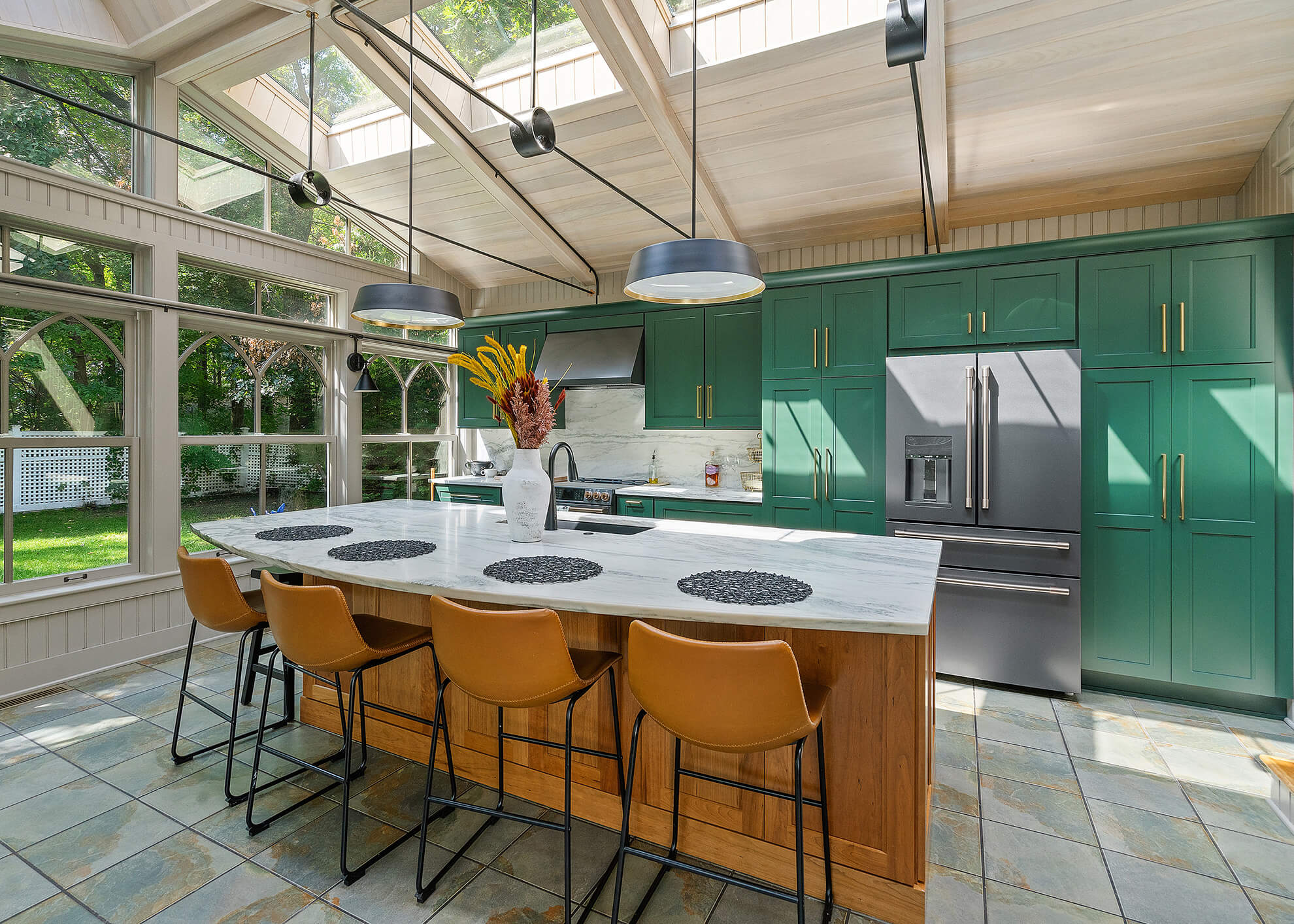
This biophilic kitchen design brings natural light in at all angles! Design by Kerri Sinnenberg of KBC Design Studio in Rexford, New York featuring Dura Supreme Cabinetry’s Avery door style in a combination of a “Roycroft Bottle Green” (SW 2847) Personal Paint Match finish for the perimeter and Natural finish on Cherry for the kitchen island.
Today’s Biophilic kitchens reflect this evolution beautifully. Rather than simply placing a few potted plants on the windowsill, contemporary Biophilic design orchestrates a comprehensive approach that engages all the senses. It’s about creating a home that looks and feels like a breath of fresh air, nodding to all the beautiful aspects that the natural world has to offer. This includes form, color, and furniture that enhances well-being, productivity, and harmony. The style has matured from its origins into a sophisticated design language that seamlessly blends luxury with sustainability, elegance with earthiness, and modern functionality with timeless natural beauty.
The Biophilic Design Spectrum: From Minimal Nature to Lush Sanctuary
Biophilic kitchens exist along a rich spectrum, allowing you to interpret this nature-inspired style in ways that perfectly suit your personal aesthetic and lifestyle.
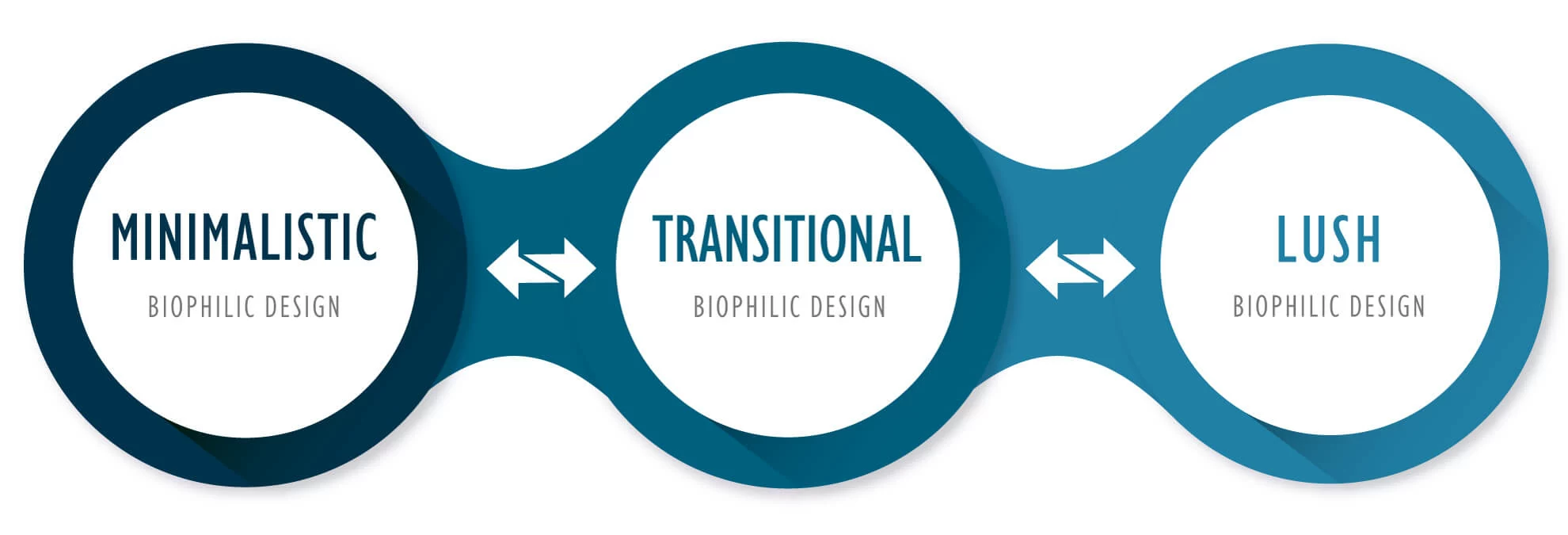
Minimalistic Biophilic Style
On one end, you’ll discover Minimal Biophilic spaces that embrace simplicity and restraint. These kitchens incorporate subtle natural touches—perhaps a single statement piece of live-edge wood, a carefully curated selection of herbs on the windowsill, or cabinetry in soft, nature-inspired neutrals paired with abundant natural light. The focus here is on quality over quantity, with each natural element chosen deliberately to create a sense of calm and tranquility. This approach aligns beautifully with minimalist, contemporary, and Japanese Zen aesthetics, where simplicity and a sense of balance and harmony take center stage.
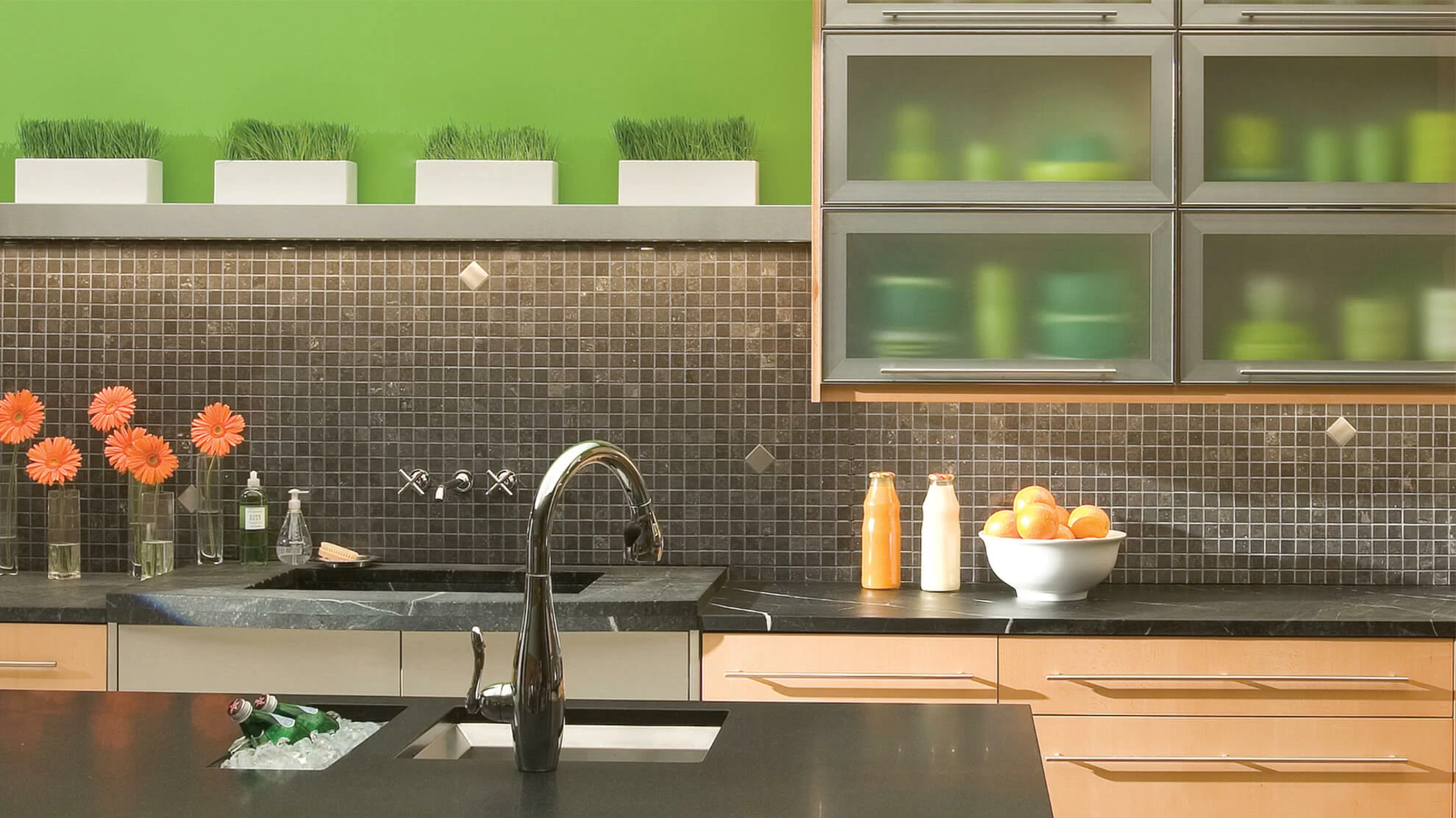
A Minimalistic Biophilic styled kitchen design featuring Dura Supreme’s Bria frameless cabinets in the Moda door style with a “Natural” finish on Maple.
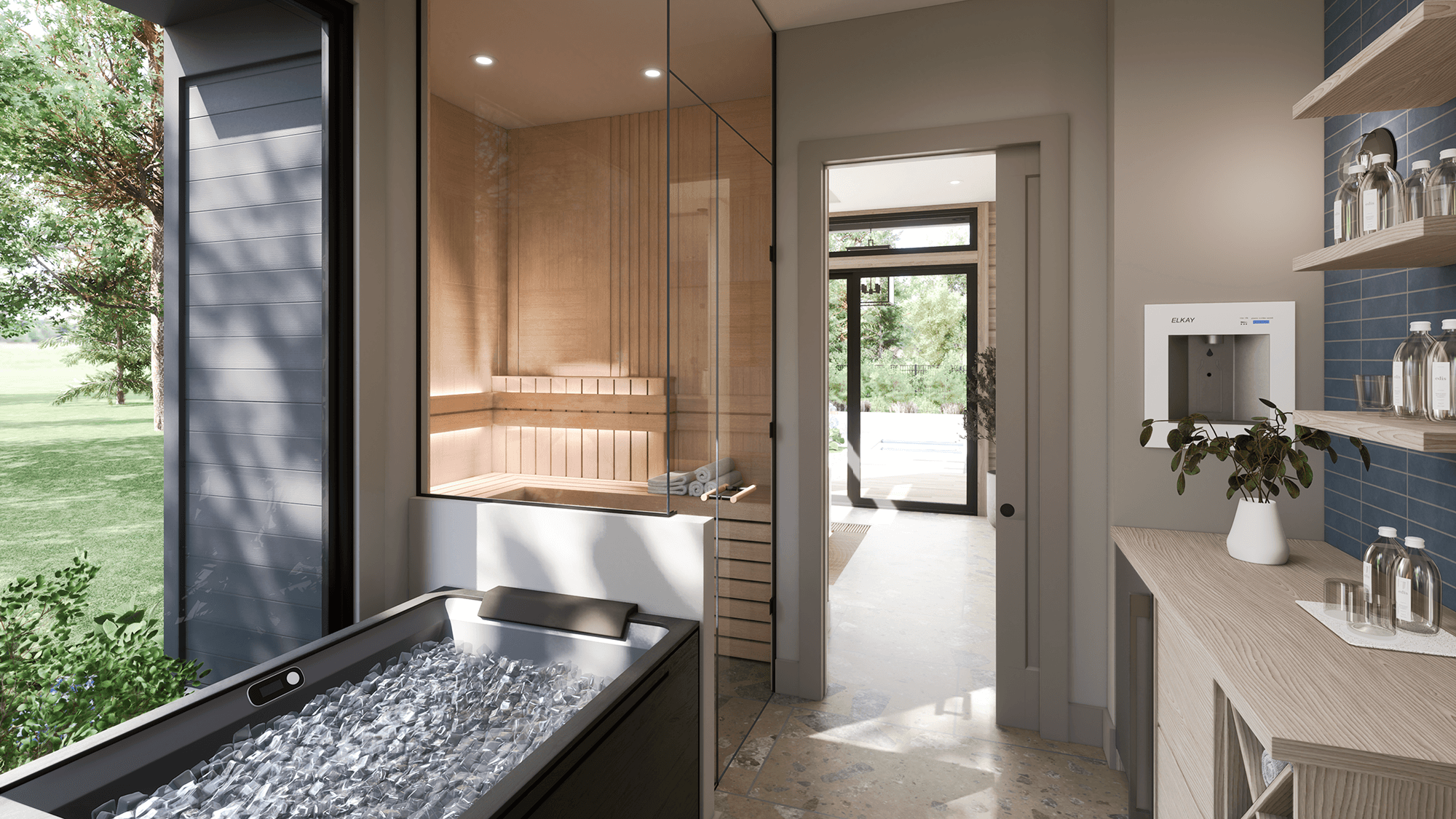
This Minimalist Biophilic bathroom design is a masterclass in serene simplicity, thoughtfully curated for your personal wellbeing. Every detail is designed for rejuvenation, from the elegantly placed wellness station (on the right) to the seamless transition between the sauna and ice bath. Framed by a captivating floor-to-ceiling window looking out over the remote landscape, this sublime retreat is designed to captivate all your senses! This design features Dura Supreme’s Bria Frameless cabinets in the Aiden-Vertical slab door style with the “Siena” Sculpted TFL.
Lush Biophilic Style
At the other end of the spectrum lies Lush Biophilic design, where nature takes a more dramatic and abundant role in your kitchen. Imagine a space where greenery cascades from multiple levels, where living walls create vertical gardens, and where the integration of natural materials feels generous and layered. These kitchens might feature extensive wood cabinetry with visible grain patterns, stone countertops with dramatic veining, multiple textures from various natural materials, and generous eclectic collections of plants throughout the space. The result is immersive and enveloping, creating the sensation of cooking within a garden sanctuary rather than simply looking at nature from afar.
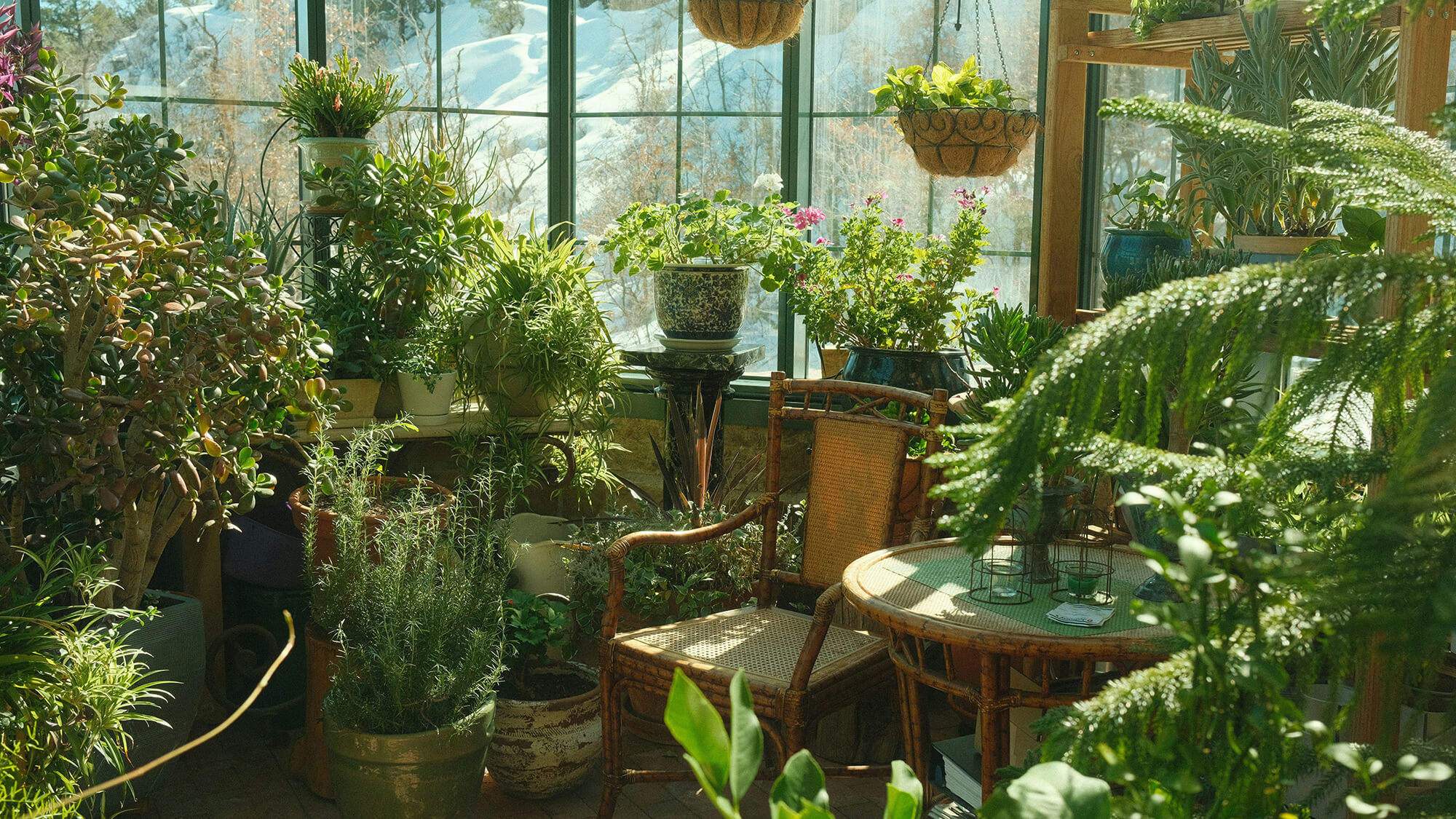
An example of an EXTREMELY Luscious Biophilic home.
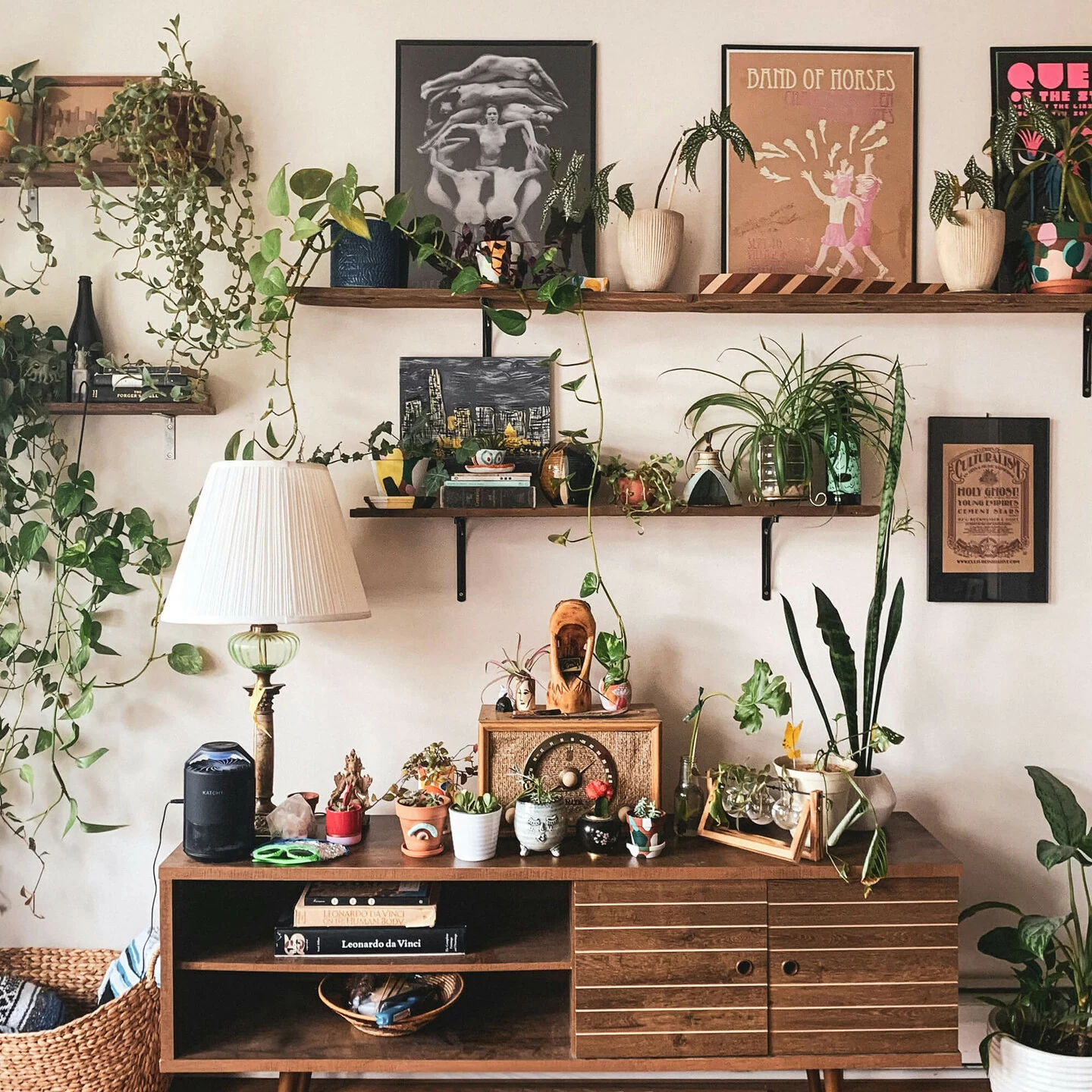
An example of a Luscious Biophilic with Mid-Century styled furniture & decor.
Transitional Biophilic: Everything In Between
Between these two poles of styles, you’ll find Mid-Range Biophilic kitchens that strike a beautiful transitional balance. These spaces incorporate substantial natural elements without overwhelming the functional aspects of the kitchen. You might see a combination of painted and natural wood cabinetry, strategic greenery placements, natural stone accents, and thoughtful use of organic shapes and patterns. This middle ground often appeals to families who want the benefits of Biophilic design while maintaining practical functionality and easy maintenance.
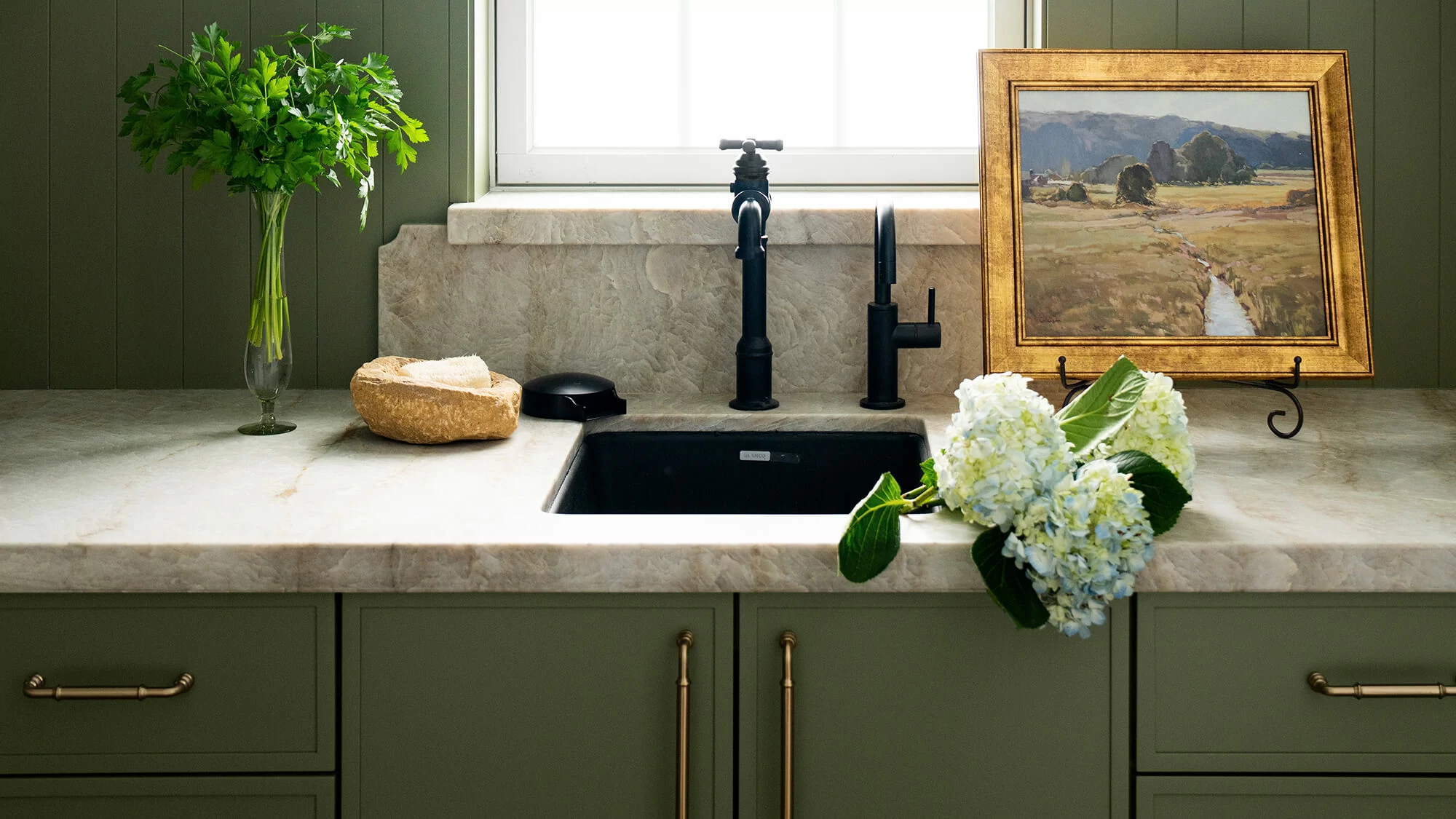
Design by Honeycomb Home Design in Arroyo Grande, California. Photo by Lisa Maksoudian featuring Dura Supreme Cabinetry in the Reese skinny shaker door style.
What Biophilic Style is Best?
Your personal position on this style spectrum will depend on several factors: your lifestyle needs, the amount of natural light your space receives, your commitment to plant care, and your overall design preferences. Some homeowners gravitate toward the serene simplicity of Minimal Biophilic style, while others crave the generous, garden-like atmosphere of a Lush Biophilic kitchen. The beauty of this approach is its flexibility—start minimal and add elements gradually, or dive fully into your indoor ecosystem from the start.

How to Create a Biophilic Color Palette
To create the perfect color palette for your Biophilic kitchen, start by drawing inspiration directly from nature, using hues that are reminiscent of earth, sky, and water. Biophilic design strategy leans strongly toward research that has shown that Earth toned color palettes can improve relaxation, reduce anxiety and foster a sense of calm. These colors aren’t arbitrary choices—they’re deliberate selections that mirror the palette you’d encounter during a peaceful walk-through nature, creating an environment where your mind can rest and your spirit can recharge.
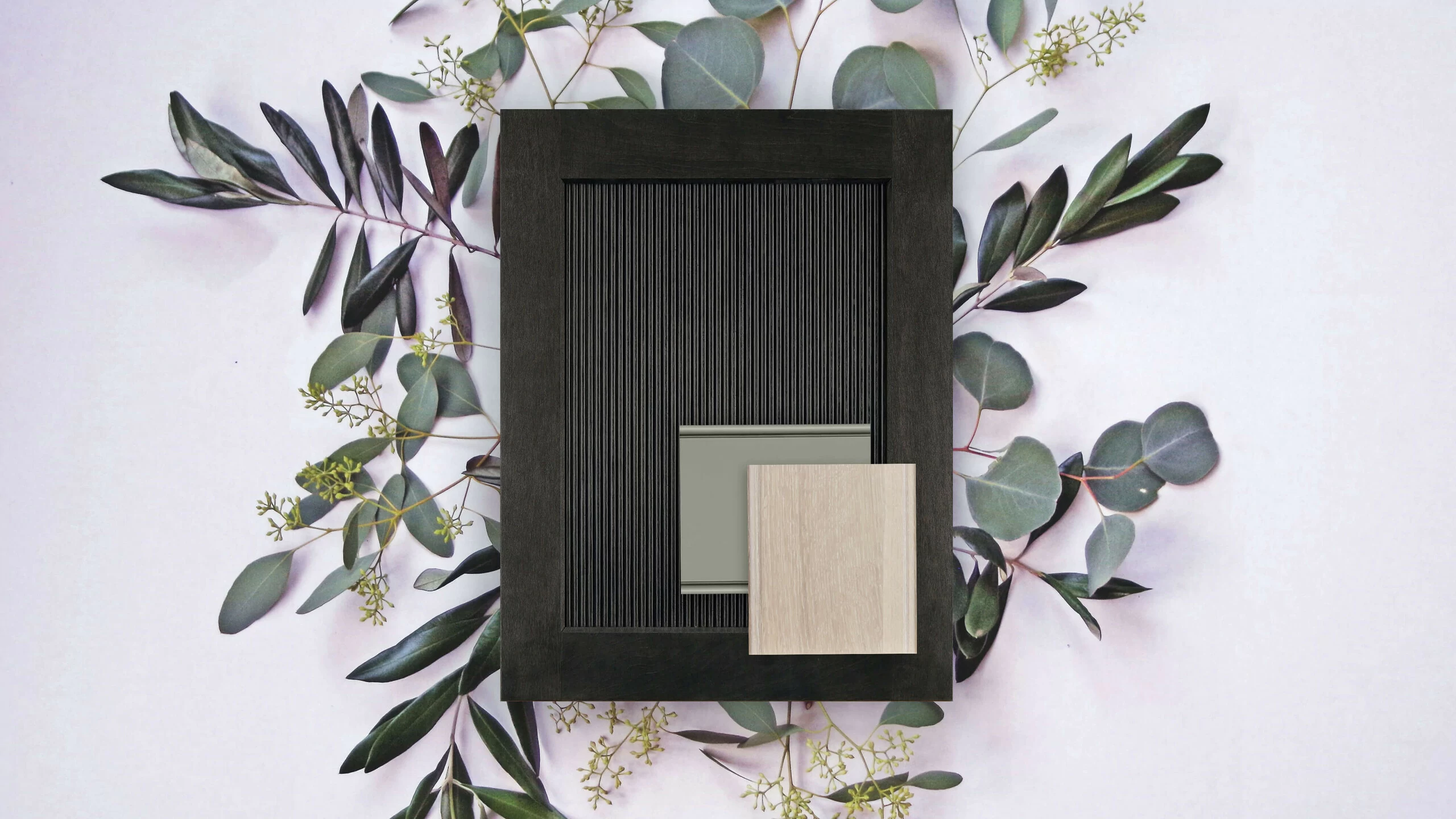
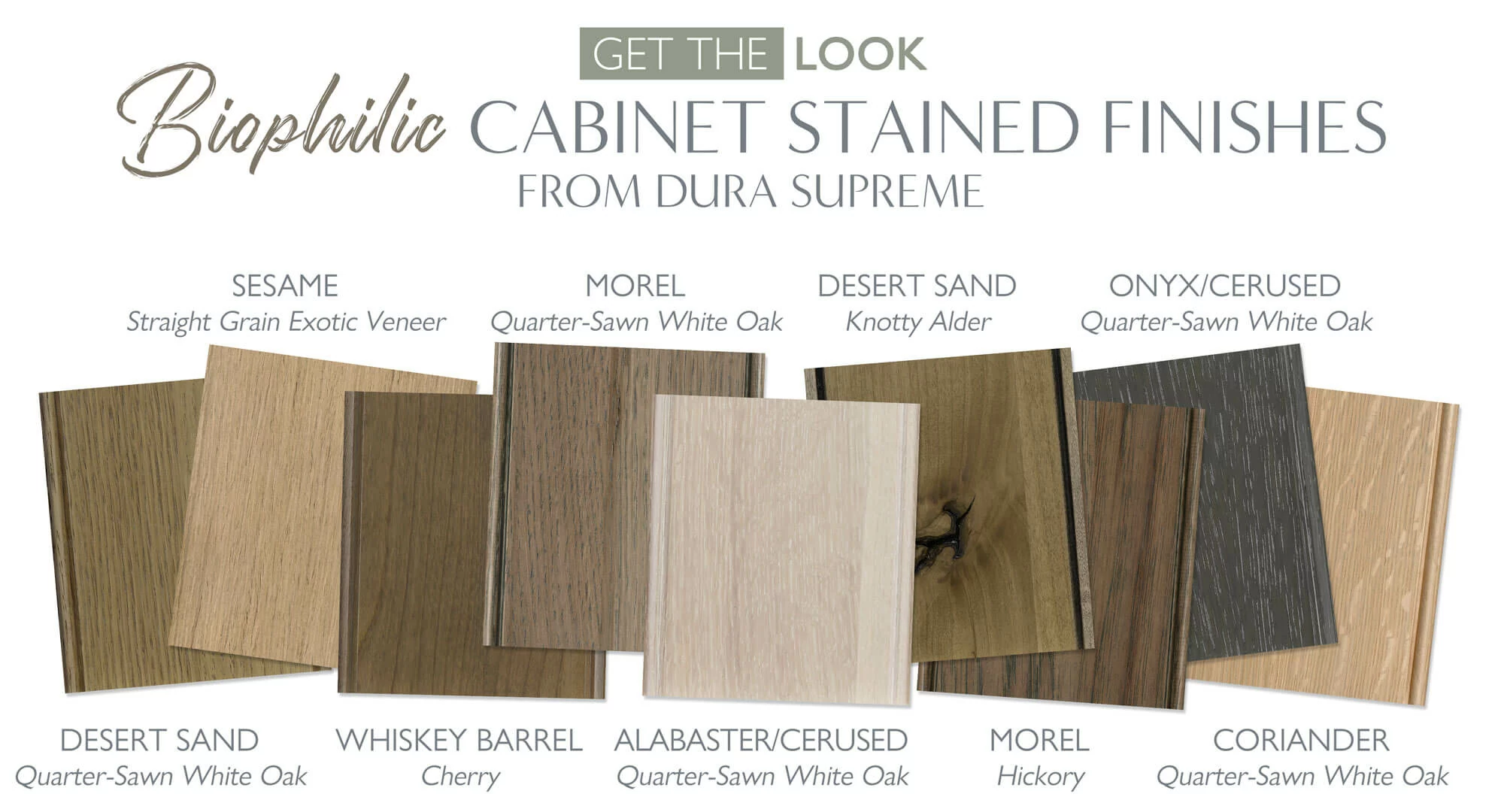
Think of the rich, chocolatey browns of fertile soil, the warm terracotta of sun-baked clay, the soft tans of weathered driftwood, earthy greens, watery blues, and the gentle taupes that echo river stones. These hues work beautifully in cabinetry finishes, bringing depth and warmth to your kitchen while creating a nature-inspired, comforting atmosphere. Dura Supreme’s extensive finish options allow you to capture these earth-inspired tones with remarkable authenticity. A “Morel” stain on Cherry or “Desert Sand” stain on Quarter-Sawn White Oak delivers that true-brown, organic quality that serves as a perfect foundation for a Biophilic kitchen.
Stain Colors for Biophilic Cabinetry
Natural wood tones deserve special attention in Biophilic color palettes. The cornerstone of authentic Biophilic interior design style embraces raw, natural wood and rich, true-brown stains. Nothing quite captures the warmth and organic beauty like real wood, with its organic grain patterns, natural variations, and tactile presence that creates an immediate connection to nature. Consider selecting species that showcase nature’s diversity. Oak varieties like Quarter-Sawn White Oak and Red Oak offer prominent grain patterns and substantial texture, while Cherry provides rich, warm tones that deepen beautifully over time. For more dramatic character, Hickory brings bold grain variations and a rustic, natural aesthetic. Maple offers a lighter approach with its creamy, honey tones and fine grain pattern. Each of these wood species tells its own story, bringing the forest directly into your kitchen.
Paint Colors for Biophilic Cabinetry
Painted cabinetry certainly has its place in Biophilic kitchens, particularly when you want to create a lighter, airy atmosphere while still maintaining natural warmth. For painted cabinetry, consider “Canvas”, “Mushroom”, or “Putty” paint. These soft, tonal off-whites evoke thoughts of elements found in nature, creating an airy foundation that allows other natural elements to shine. Add a splash of watery blue or an organic green like the “Software”, “Evergreen Fog”, or “Rock Bottom” paint colors. The key is selecting paint colors that feel organic rather than artificial—think of the soft, varied tones you’d find in nature rather than bright, saturated hues.
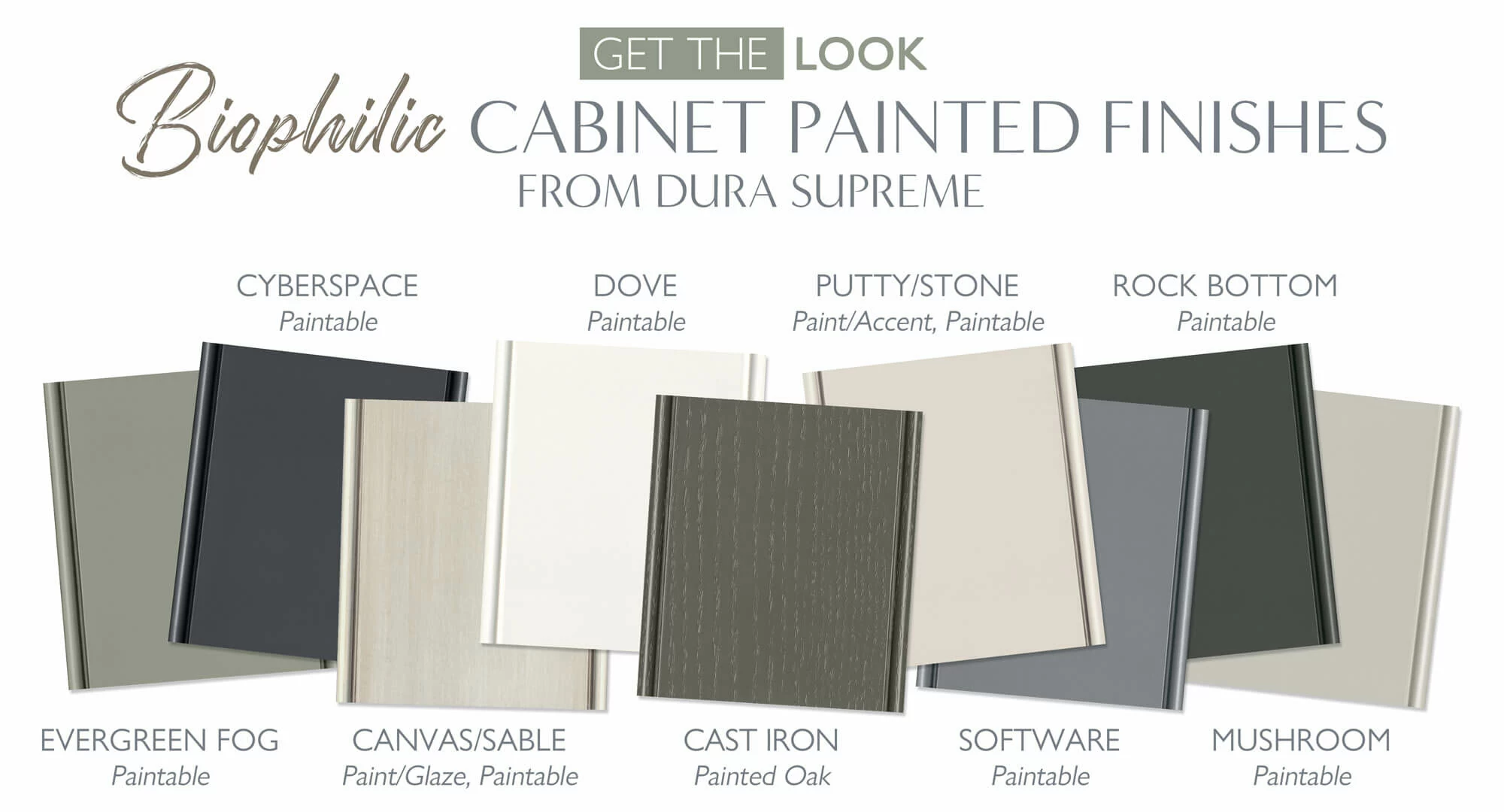
Serene Blue Hues
Blue tones channel the tranquility of water and sky, introducing a sense of calm and expansiveness to your kitchen. Think of the soft, hazy blue of an early morning sky, the deeper azure of a clear summer day, or the gray-blue of coastal waters.
Sophisticated Green Tones
Greens represent the living, breathing heart of Biophilic design, echoing the lush foliage, fresh herbs, and verdant landscapes that connect us to growth and vitality. In cabinetry, green tones can range from subtle sage and soft moss to deeper hunter green or even dramatic forest hues
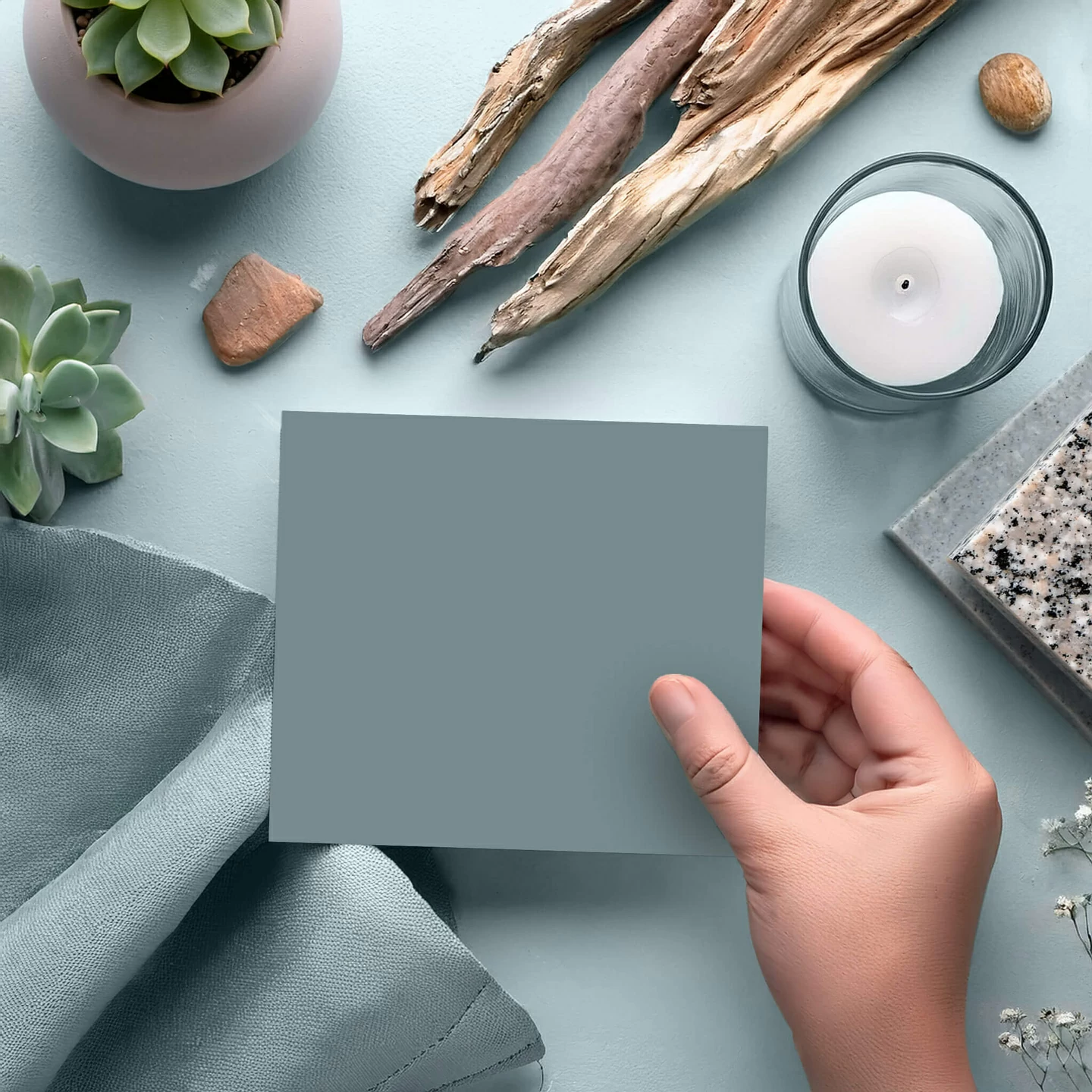
Serene Blue Hues: This mood board features Dura Supreme’s “Surf” Matte Foil that adds a soft to the touch with a low reflective surface that is comfortable to use and easy on the eyes.
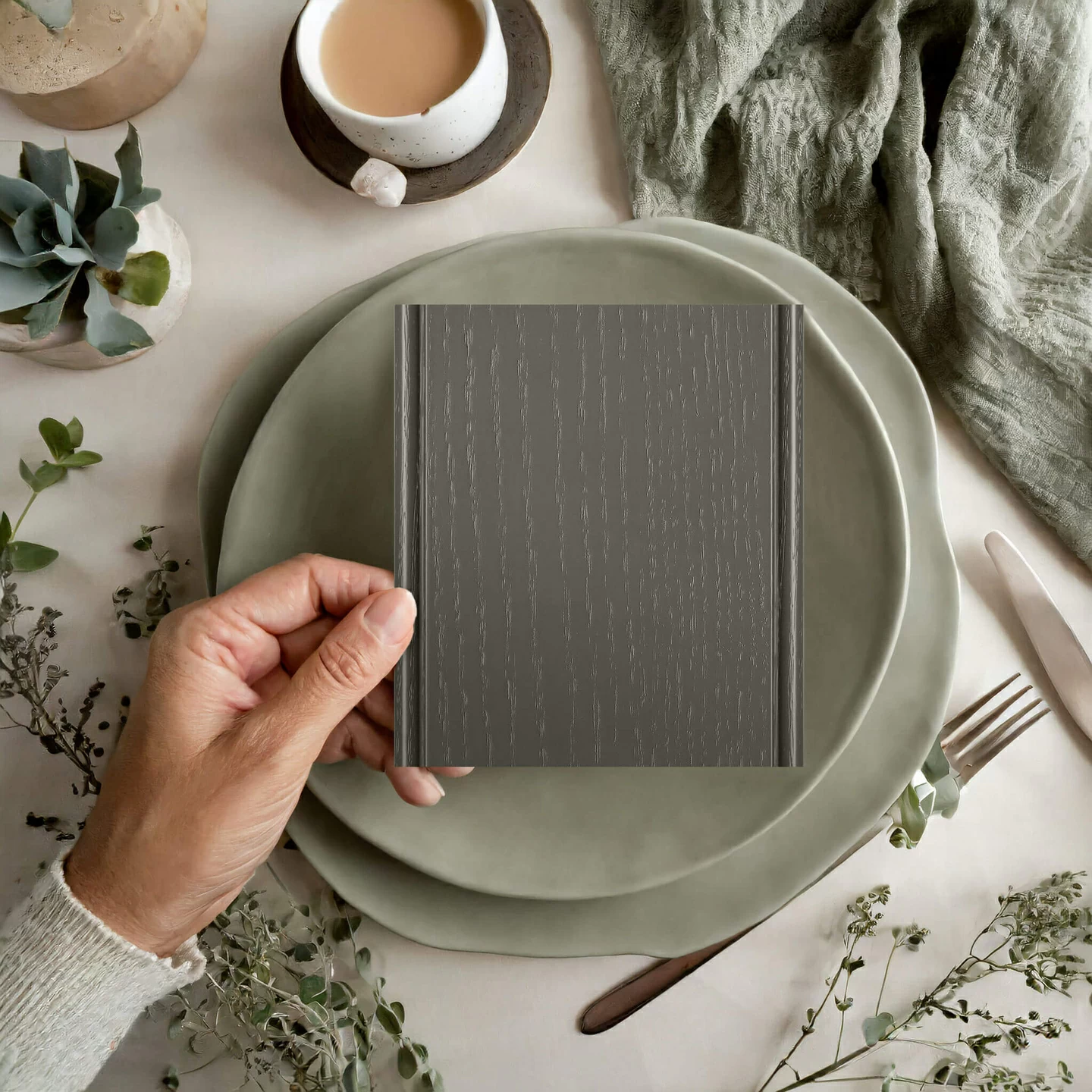
Sophisticated Green Tones: This mood board features Dura Supreme’s Painted Oak in “Cast Iron” paint.
The key is achieving a natural balance—creating a harmonious composition where colors flow naturally into one another, just as they do in the outdoor landscapes that inspire this beautiful design style.
How to Choose Biophilic Cabinetry
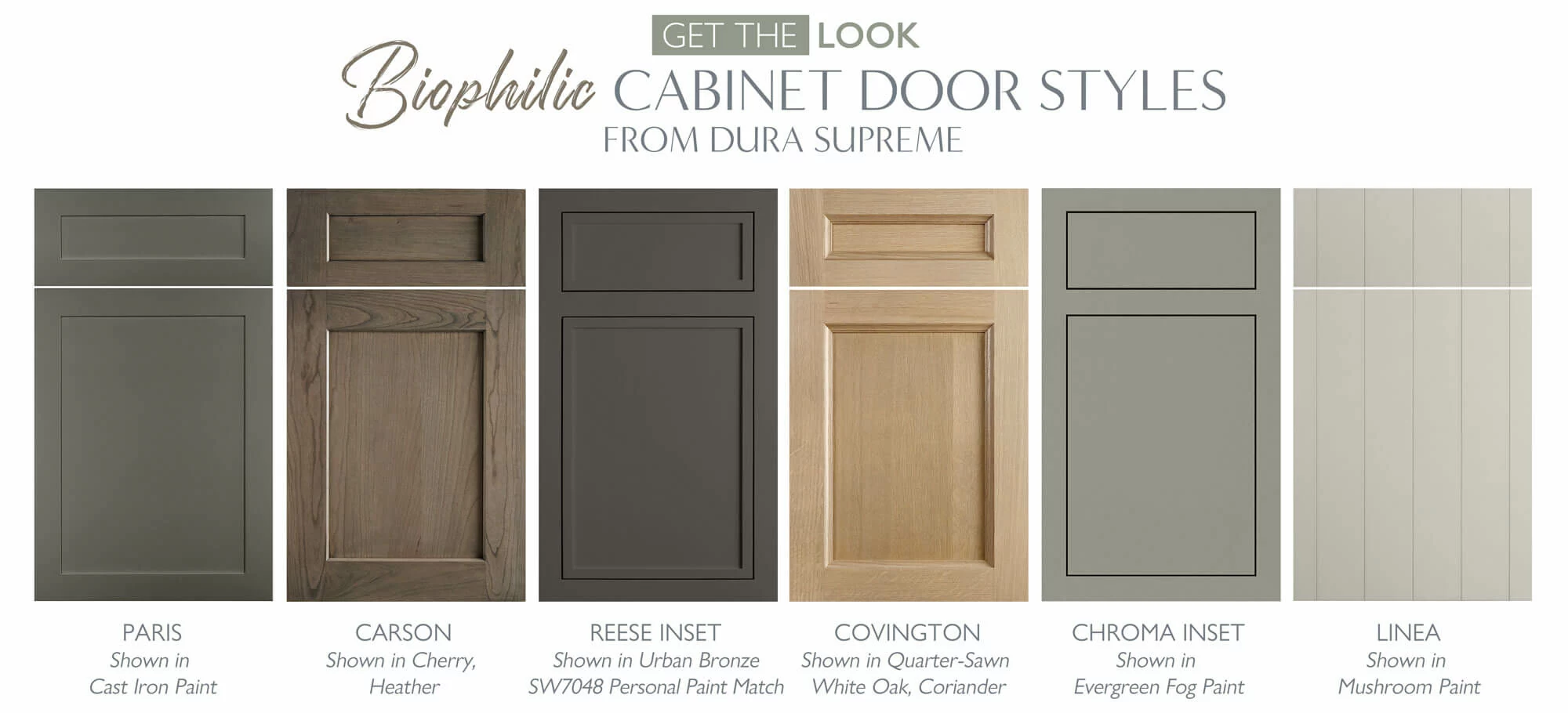
Selecting the right cabinetry style for your Biophilic kitchen means choosing designs that honor natural materials, celebrate organic beauty, and create a seamless connection between your indoor space and the natural world. For a design leaning more toward Minimalistic Biophilic style, consider full overlay slab doors like Chroma, Linea, or Camden. For a more Luscious Biophilic style, consider modern raised panel doors like Chelsea or Hawthorne to timeless shaker looks like Carson or Highland in full overlay or inset. Look for cabinet door styles with clean, simple lines that have a timeless appeal while allowing the wood grain or paint color to take center stage.
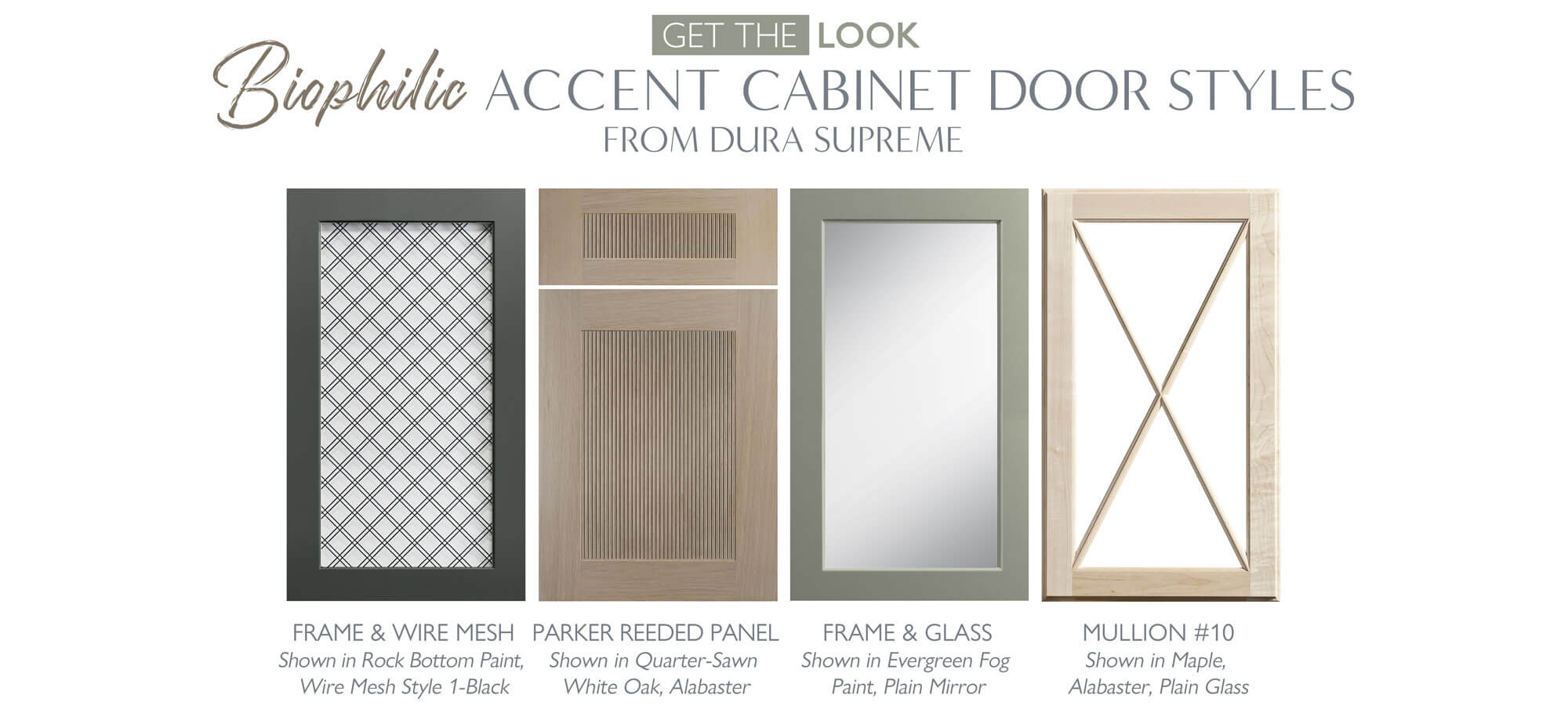
Accent cabinet doors offer opportunities to deepen the design and add layers of visual interest. Glass cabinet doors, particularly those with clear or seeded glass, create openness and allow light to filter through your cabinetry, mimicking the dappled light that filters through a forest canopy. For a more glistening aesthetic, consider mirror inserts that hide the contents of the cabinets and amplify the natural light throughout the space with their reflective nature. These specialty glass options add depth and dimension while maintaining the light, airy quality essential to Biophilic design. For non-glass accent cabinetry with more of a textured approach, consider reeded panels.
Construction method also plays a crucial role in achieving authentic Biophilic style. Inset construction, where doors and drawer fronts sit flush within the cabinet frame, creates a furniture-quality aesthetic. This construction method feels honest and handcrafted. These qualities resonate deeply with Biophilic principles. Dura Supreme’s inset cabinetry allows you to achieve this elevated, artisanal look that celebrates the craft of fine cabinetry.
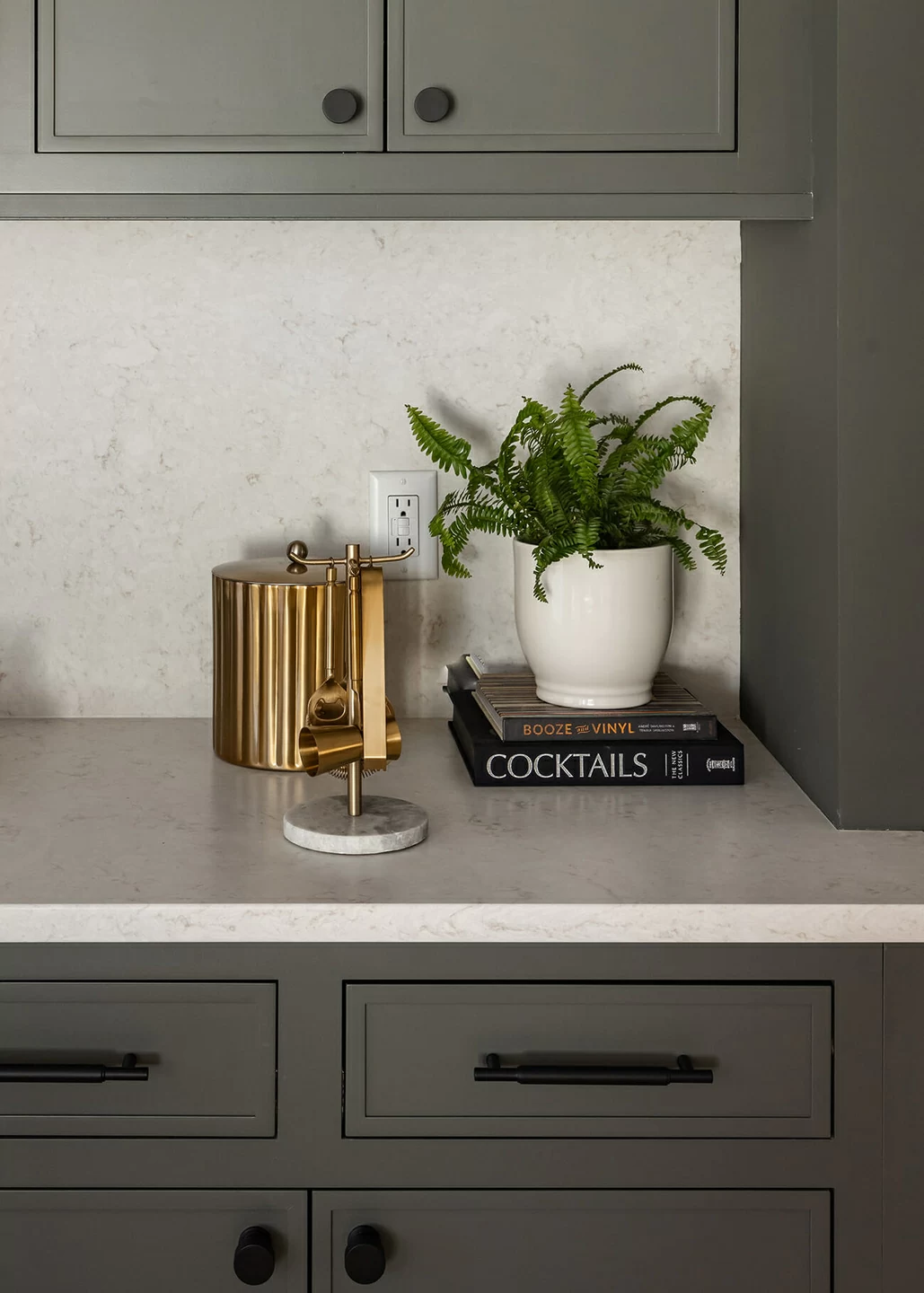
Kitchen design by Cedar Design Build, Minnesota. Architectural Design by Becky Watson of Niche Design. Photography by Chelsie Lopez featuring Dura Supreme’s Reese Inset door style in “Evergreen Fog” paint.
How to Choose Biophilic Design Elements
Creating an immersive Biophilic interior design requires thoughtfully layering design elements that engage all your senses and deepen your connection to nature. Beyond cabinetry and color, these carefully selected details transform your kitchen from a simple cooking space into a restorative sanctuary that nurtures wellness and brings the outdoors beautifully inside. Let’s explore some of the key iconic elements to include…
Bringing the Outdoors to the Indoors with Natural Light
Natural light stands as the most fundamental element of Biophilic design, playing a crucial role in enhancing health and well-being. Maximizing daylight wherever possible creates a bright, airy atmosphere that aligns with our natural rhythms while boosting mood and productivity throughout the day. Large windows, skylights, or carefully planned lighting schemes that mimic natural daylight cycles can profoundly impact your experience in the kitchen. The goal is to blur the boundaries between inside and outside, however, natural lighting is also a necessity if you’re planning to liven up your space with an indoor garden of luscious house plants, which is often the focal point of Biophilic style.
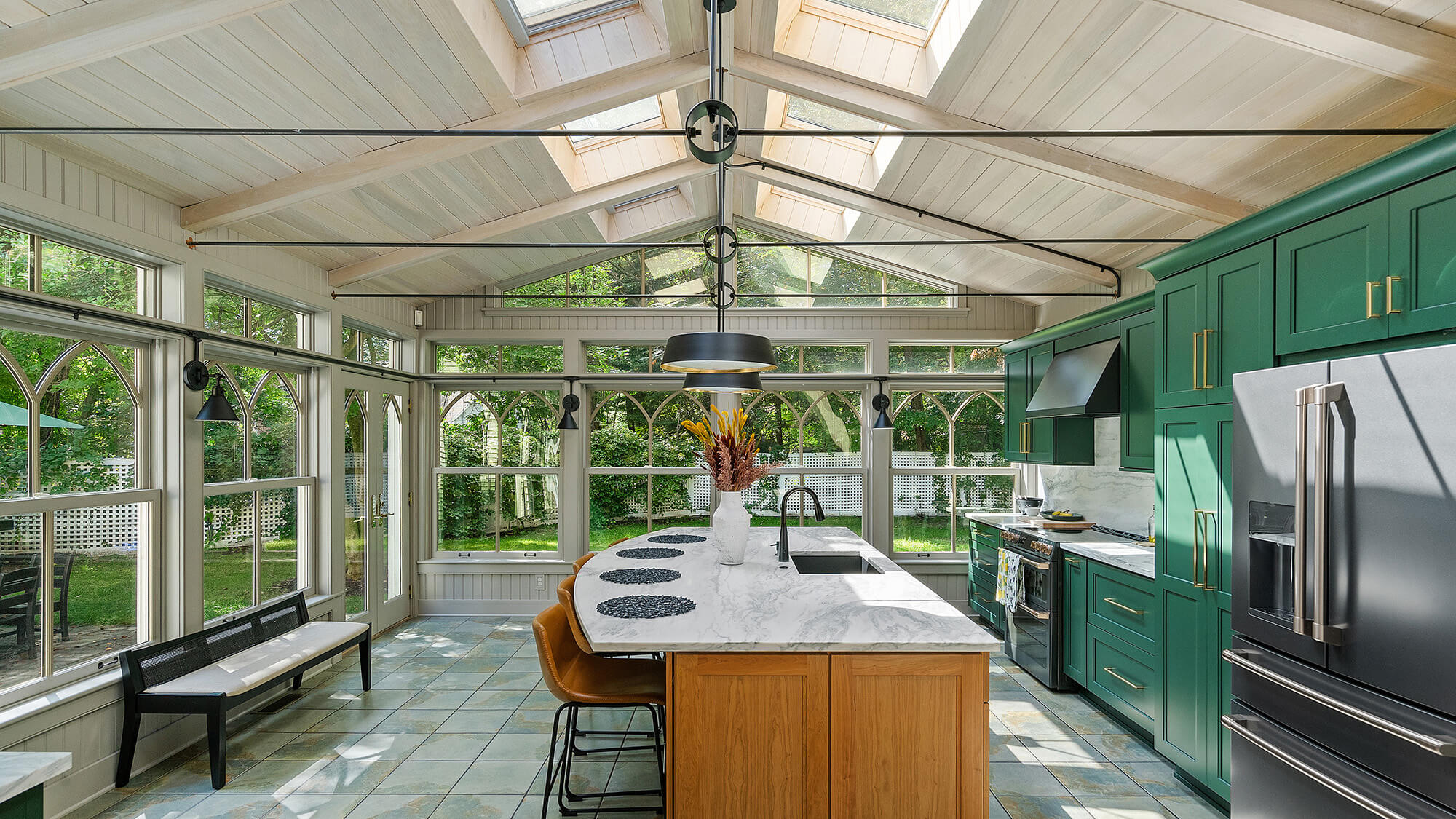
This biophilic kitchen design brings natural light in at all angles! Design by Kerri Sinnenberg of KBC Design Studio in Rexford, New York featuring Dura Supreme Cabinetry’s Avery door style in a combination of a “Roycroft Bottle Green” (SW 2847) Personal Paint Match finish for the perimeter and Natural finish on Cherry for the kitchen island.
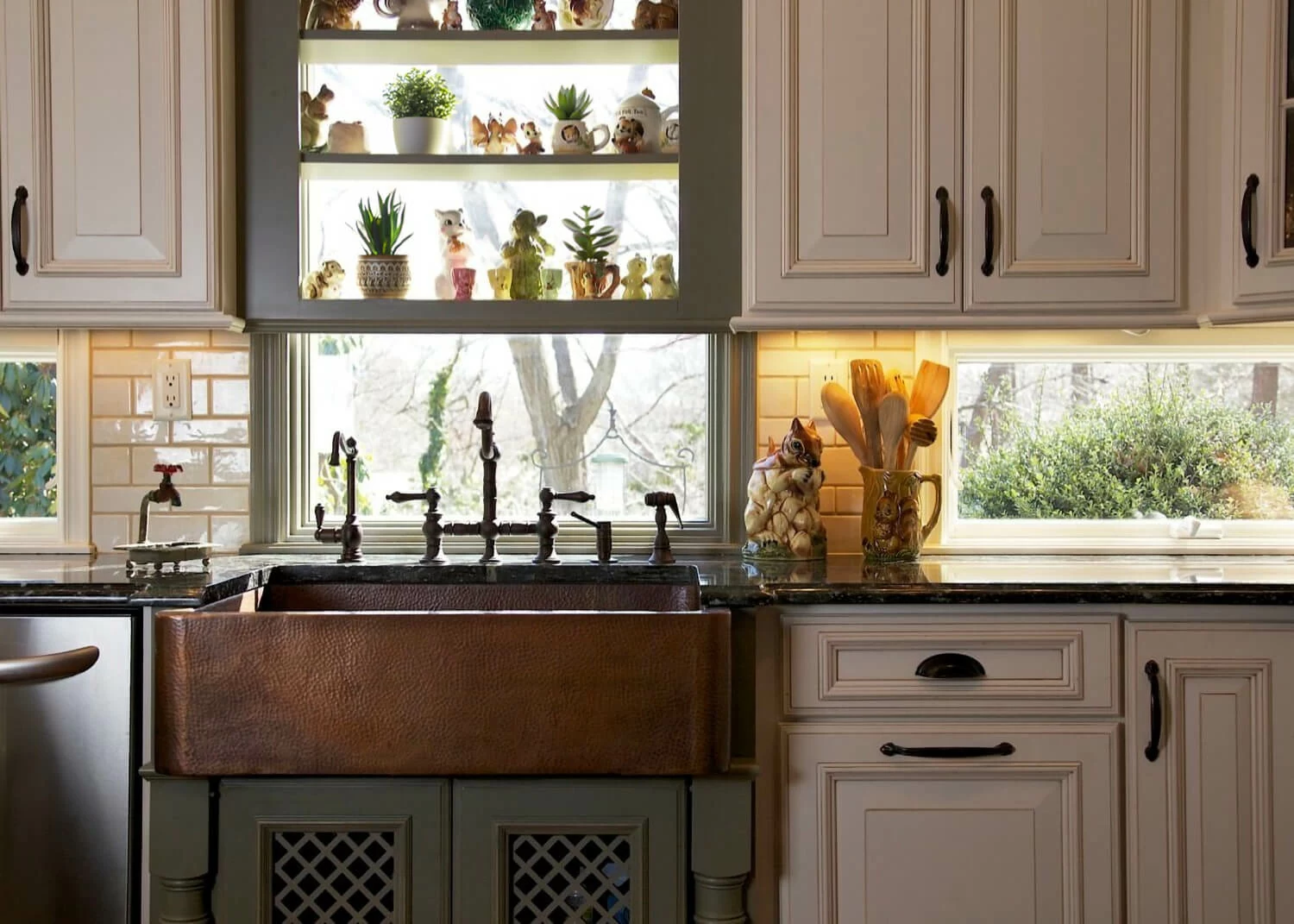
This kitchen design finds every opportunity to add natural light with a kitchen sink window overlaid with shelving as well as a window backsplash. Kitchen design by Merri Interiors of New York featuring Dura Supreme Cabinetry.
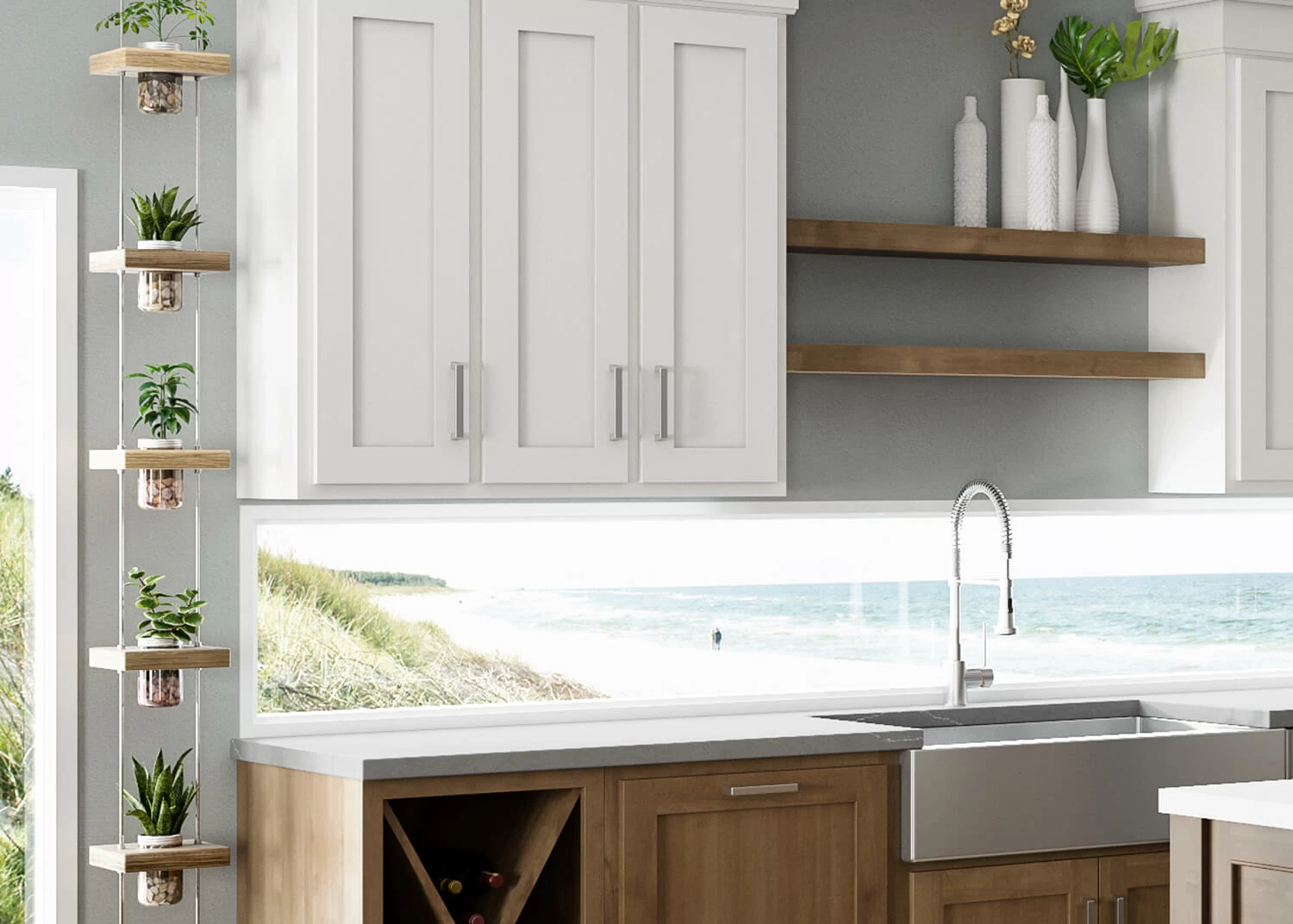
This kitchen design brings the ocean views straight into the kitchen with a window backsplash. Featuring Dura Supreme Cabinetry with the Holland standard overlay door style in the “Pearl” paint with a “Stone” accent (for the wall cabinets) and the Sierra standard overlay door style in Knotty Alder with a “Cashew” stain (for the base cabinets, wood hood, and kitchen island).
Living Greenery and Plant Life
Houseplants represent the living, breathing heart of Biophilic design, immediately boosting your kitchen with greenery while promoting well-being. They purify the air, improve wellness, and infuse your space with a refreshing touch of nature. A Biophilic kitchen is incomplete without plants—they enliven the space with color. When including herbs, the plant life can also provide fresh ingredients for your cooking.
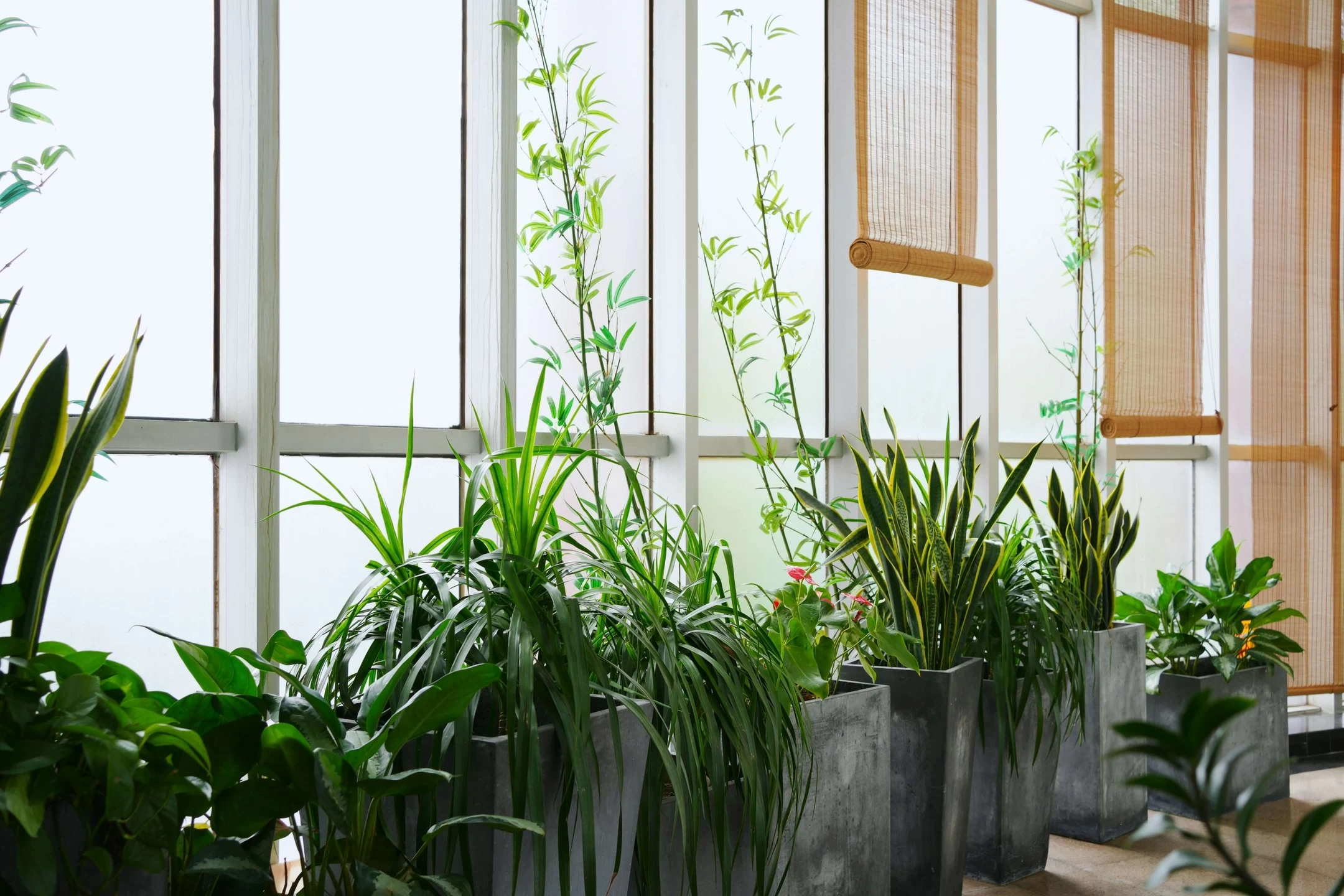
Consider creating custom planters, incorporating green walls or hanging gardens, or simply placing potted plants strategically throughout your design where they’ll receive adequate light. Herb gardens offer both beauty and function, allowing you to enjoy the fresh smell of basil, rosemary, thyme, and mint while you cook. Position these living elements where they enhance both the visual and sensory experience of your kitchen. Larger statement plants like fiddle leaf figs or monstera can anchor corners or become focal points, bringing dramatic scale and lush presence to your space.
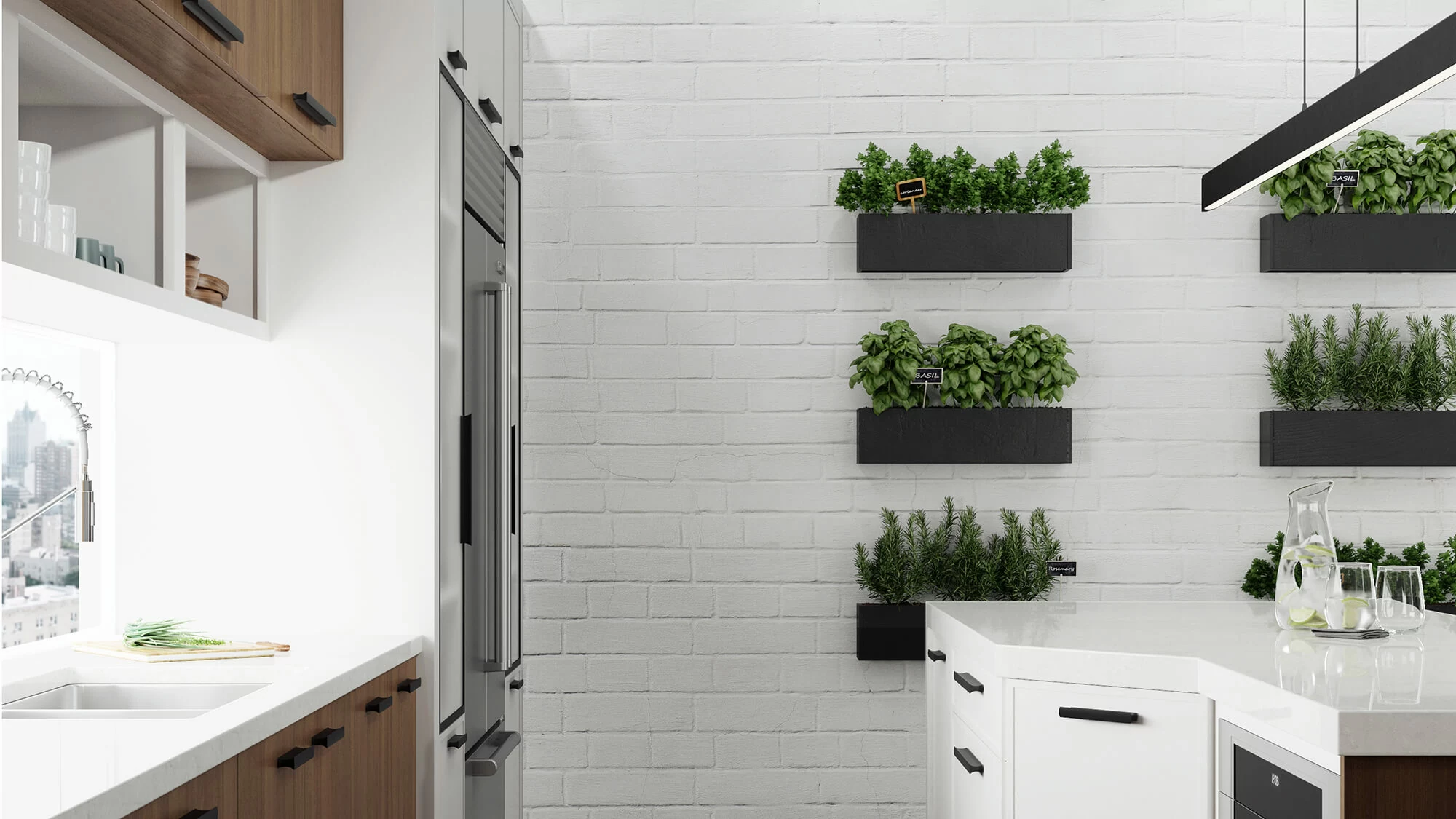
The designer brought a biophilic design style into this urban kitchen by creating a modern herb garden wall. Featuring Dura Supreme’s Reese door style in “Pearl” paint paired with the Metro-Vertical slab door style in “Hazelnut” stain on Walnut exotic veneer.
This floating shelf design pictured below sits in front of the corner kitchen windows creating the perfect nook for kitchen garden space.
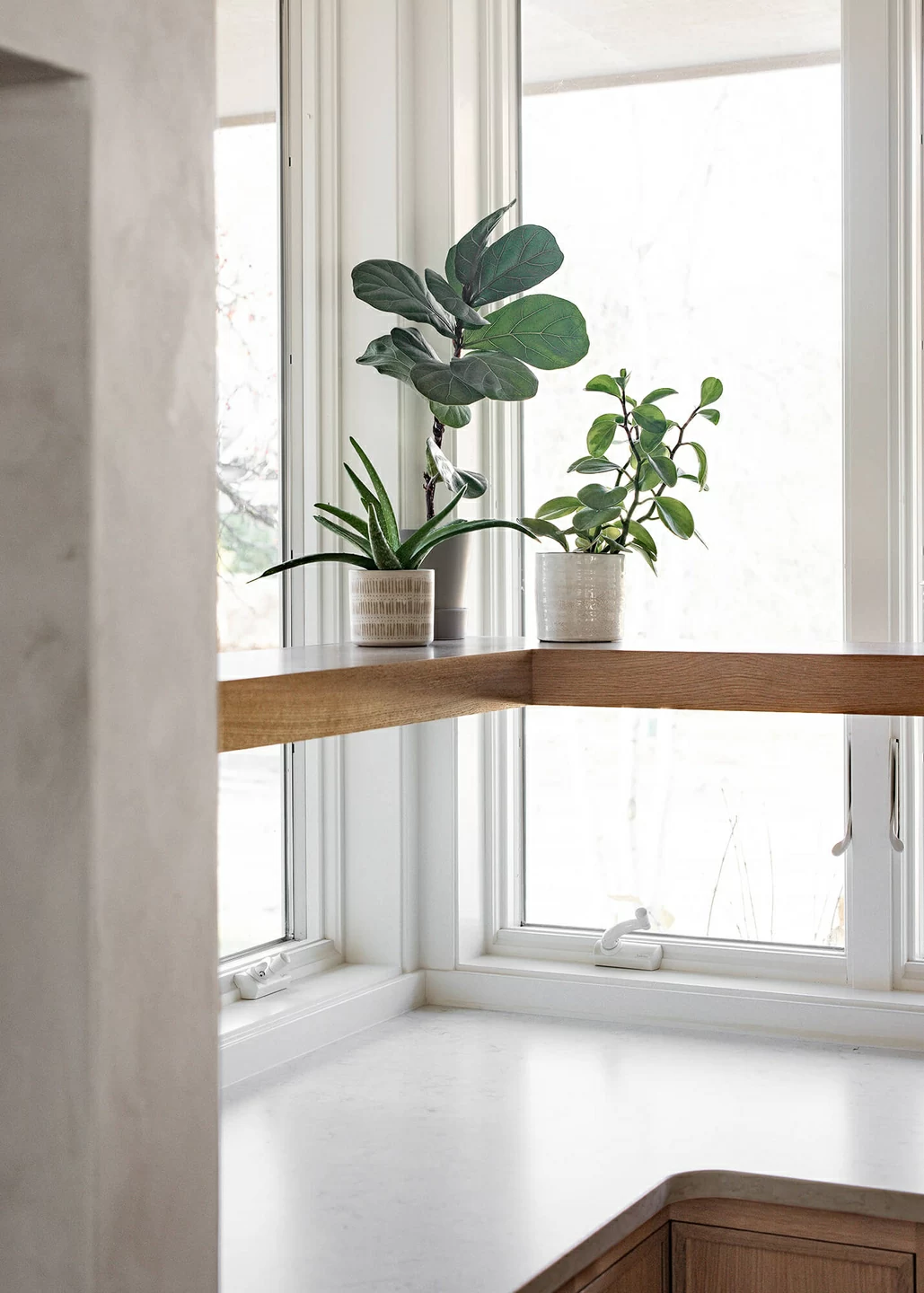
Kitchen design by Cedar Design Build, Minnesota. Architectural Design by Becky Watson of Niche Design. Photography by Chelsie Lopez featuring Dura Supreme’s Reese Inset door style in Natural Quarter-Sawn White Oak.
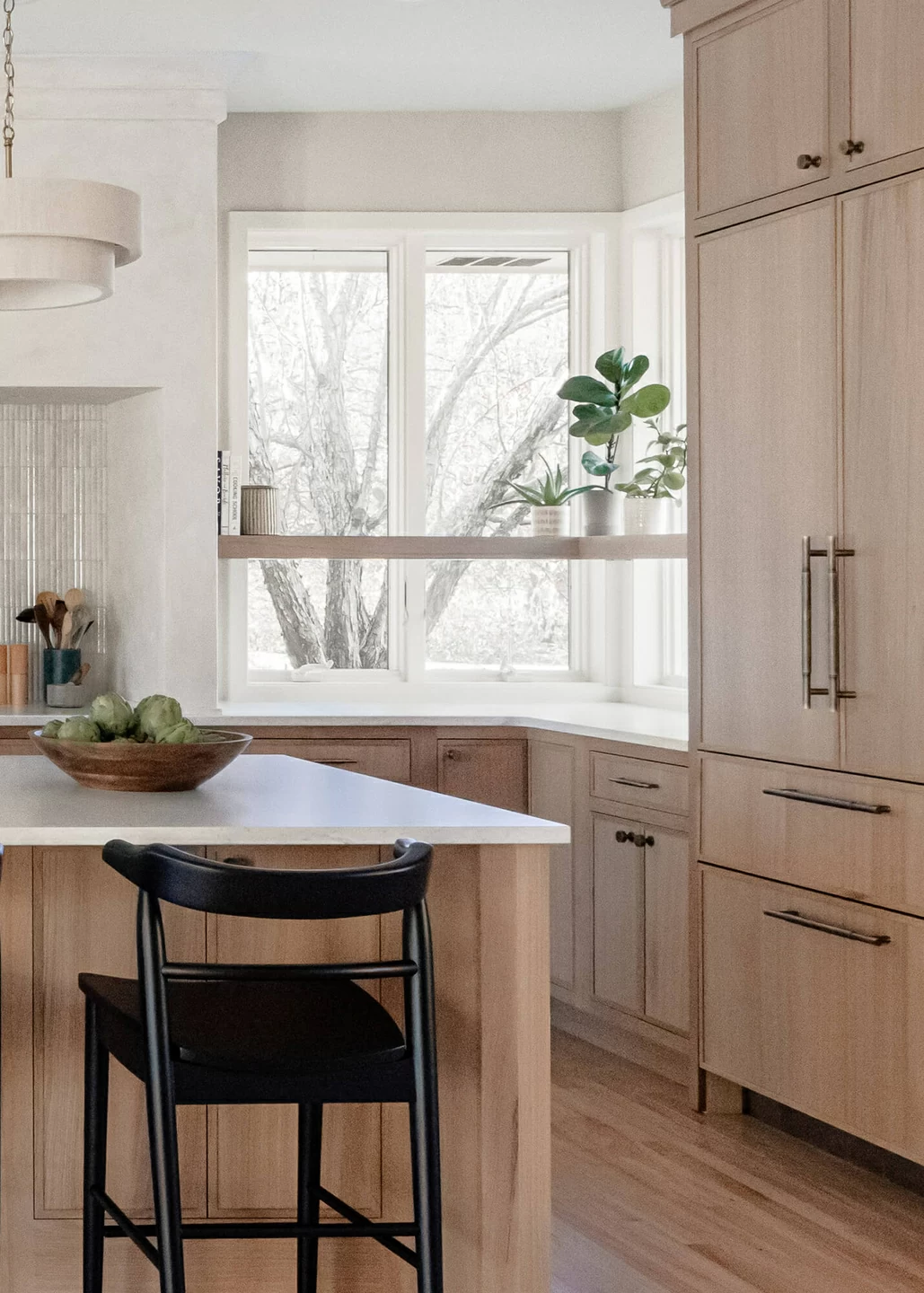
Kitchen design by Cedar Design Build, Minnesota. Architectural Design by Becky Watson of Niche Design. Photography by Chelsie Lopez featuring Dura Supreme’s Reese Inset door style in Natural Quarter-Sawn White Oak.
Water Features and Sensory Elements
While not appropriate for every kitchen, incorporating water into your design can add a dynamic, soothing presence that enhances the Biophilic experience. Whether it’s a small fountain visible through a window, a decorative water feature on a patio just outside, or even the subtle auditory element of water from a beautifully designed faucet, these details contribute to the calming effects of nature in your space. The sight and sound of moving water creates a meditative quality that can help reduce stress and bring tranquility to your cooking and gathering experiences.
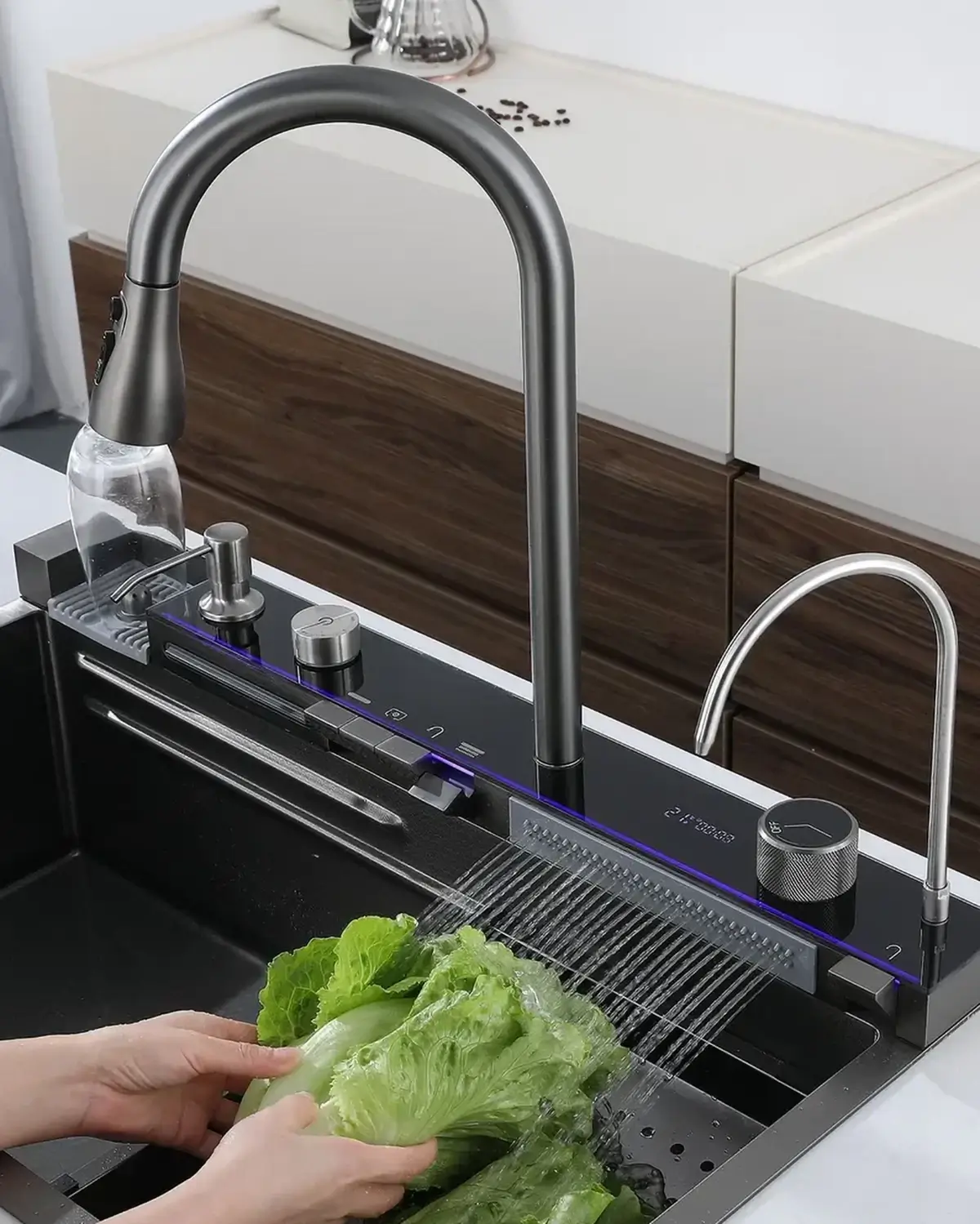
A waterfall kitchen sink is a great addition to a Biophilic kitchen design. This photo features Davor’s Elegant Waterfall Kitchen Sink Faucet with Digital Temperature Display and LED Lighting (DKS23001) which provides a great tool for rinsing fresh herbs, veggies, and fruits as well as a handy option for watering house plants.
Organic Shapes, Patterns, and Textures
The shapes, patterns, and textures you incorporate should echo the forms found in nature. Raw, unprocessed forms add tranquility and balance to your kitchen design. Subtly incorporate curved elements rather than strictly geometric shapes throughout your space. Consider arched doorways or windows, curved edges on countertops, or even the organic shape of driftwood inspired furniture which will that sense of natural flow that characterizes Biophilic design.
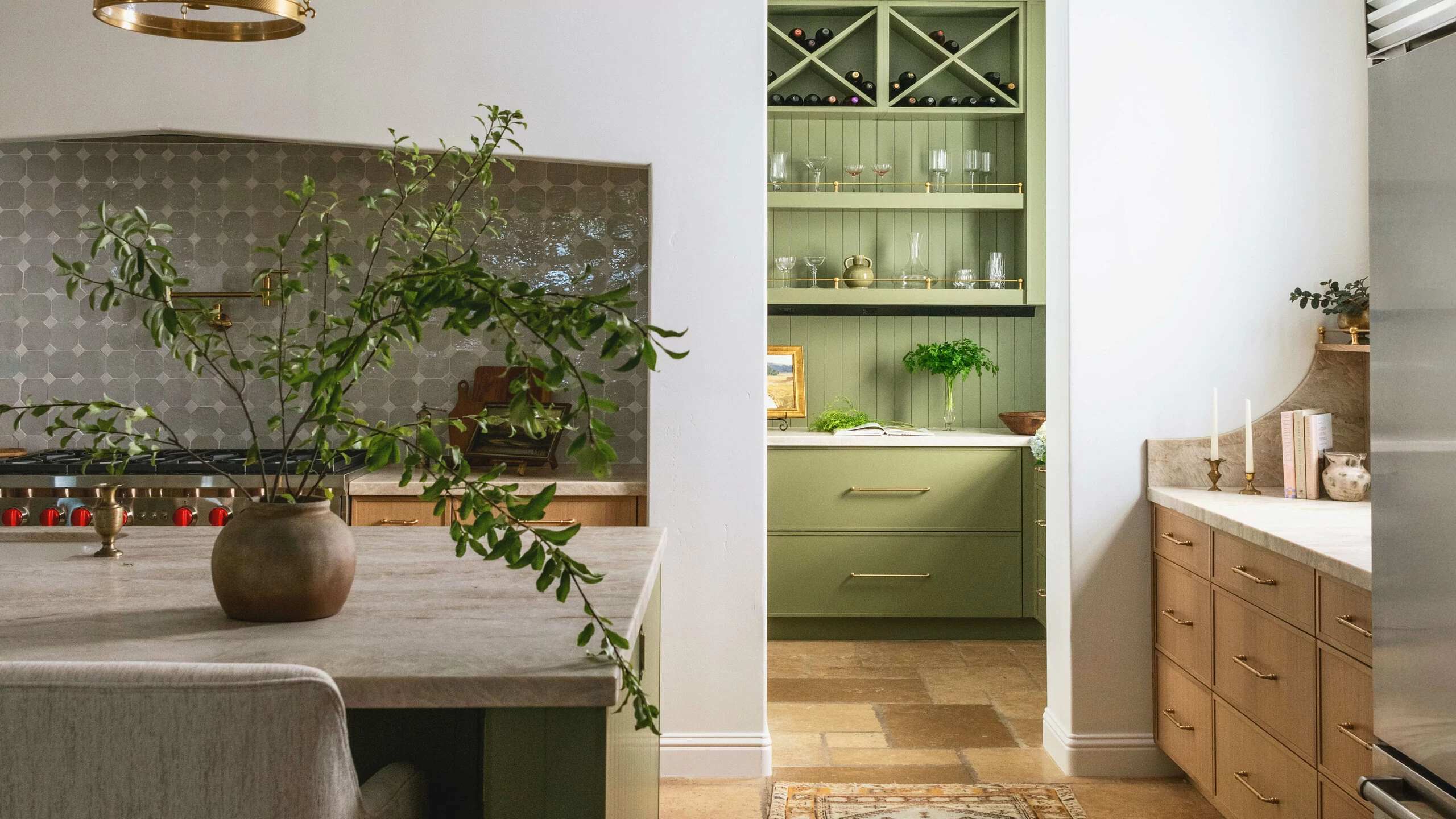
The gentle curved detail of the range alcove and the curved backsplash to the workstation on the right adds an organic feeling to the space. Kitchen design by Honeycomb Home Design in Arroyo Grande, California. Photo by Lisa Maksoudian featuring Dura Supreme Cabinetry.
For tiles, wallpapers, and other patterns, seek designs that echo abstract honeycomb structures, wind, leaf veining, or tree ring formations that bring these natural references into your space without literal representation. The key is selecting patterns that feel organic and flowing rather than rigid and geometric.
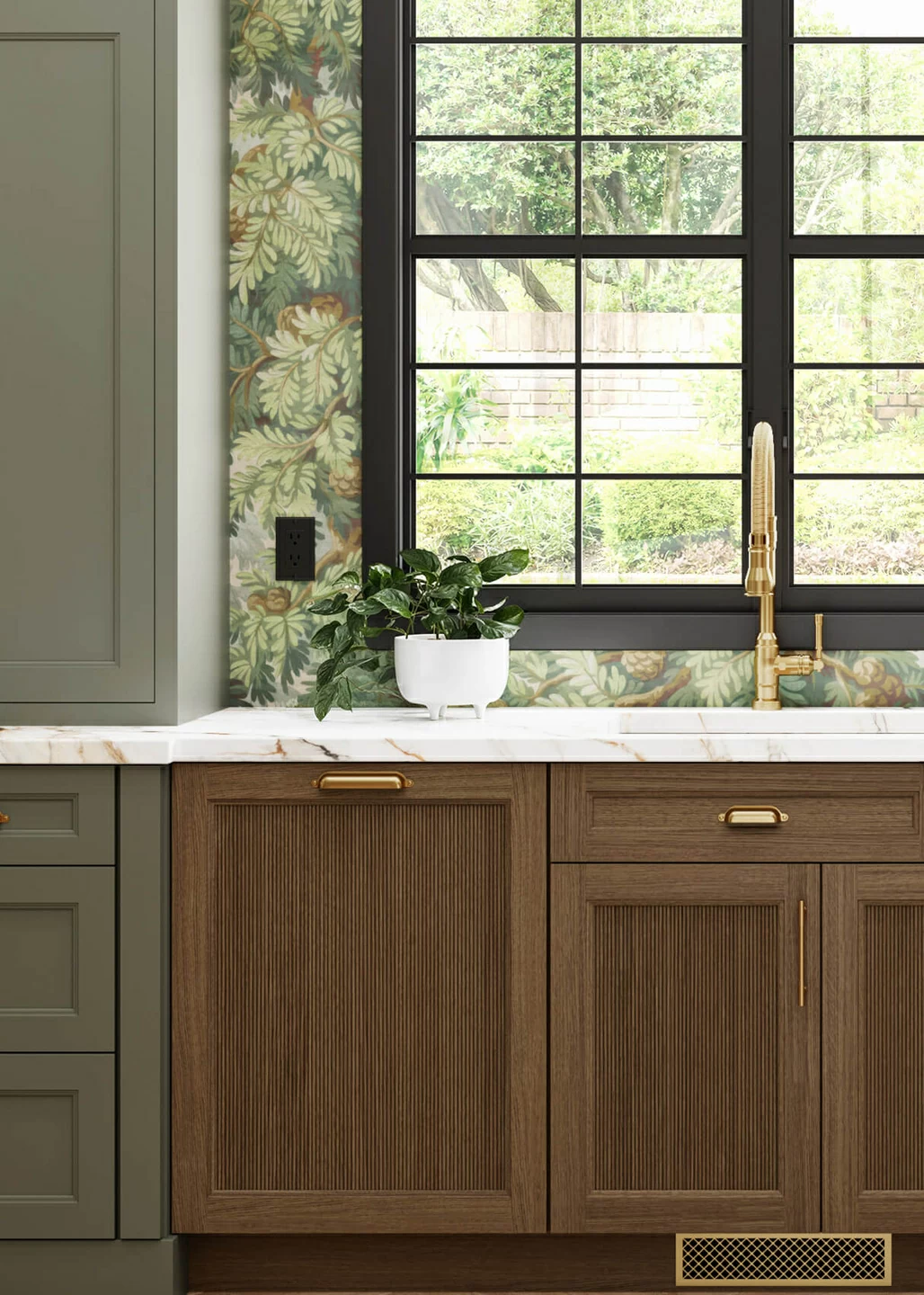
Biophilic inspired wallpaper by Rebel Walls shown in the Spruce Forest Green pattern paired with Dura Supreme’s Meridien door style in a combination of the “Cast Iron” paint and “Praline” stain on Quarter-Sawn White Oak. Accent doors feature Dura Supreme’s Reeded Panels.
Material selection plays a vital role in authentic Biophilic kitchen design. Countertops with natural veining patterns echo the geological formations found in nature, creating visual interest and a sense of history. Consider adding features made of quartzite, granite, stone, or marble with dramatic veining or raw texture that tells a geological story, or opt for a honed finish that feels softer and more organic than high-gloss surfaces.
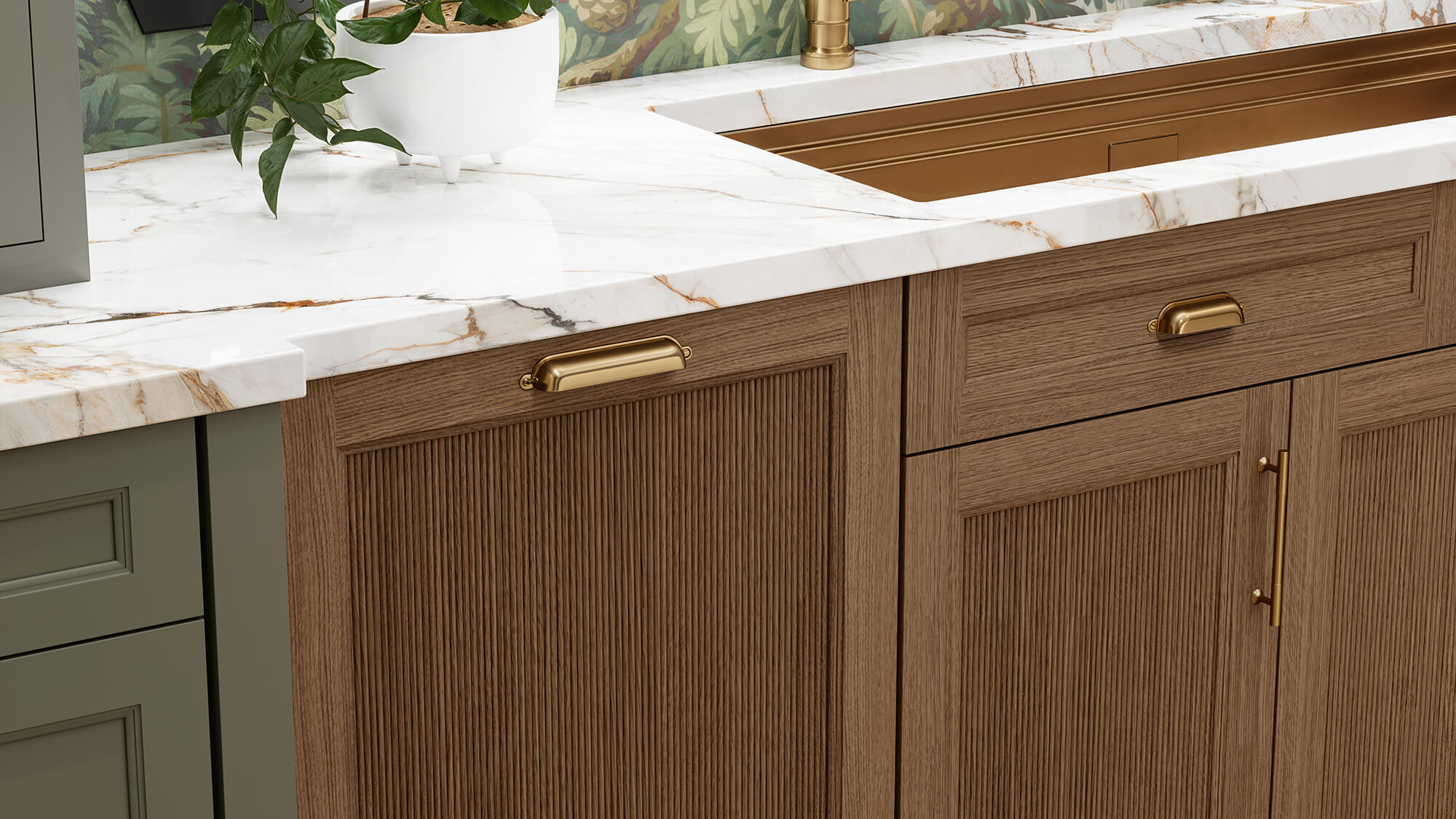
The natural stone-inspired countertop features Neolith”s Calacatta Luxe countertop paired with Dura Supreme’s Meridien door style in a combination of the “Cast Iron” paint and “Praline” stain on Quarter-Sawn White Oak. Accent doors feature Dura Supreme’s Reeded Panels.
Sustainable and Eco-Conscious Features
Sustainability represents a core principle of authentic Biophilic design, reflecting a commitment to preserving the planet without sacrificing luxury or functionality. To create a space centered around eco-conscious living, consider selecting durable materials that will stand the test of time, energy-efficient appliances that reduce environmental impact, innovative systems to minimize waste, cabinetry produced from sustainable wood sources, and wherever possible, materials made from renewable, or reclaimed resources.
Learn About Dura Supreme’s Sustainable Efforts.
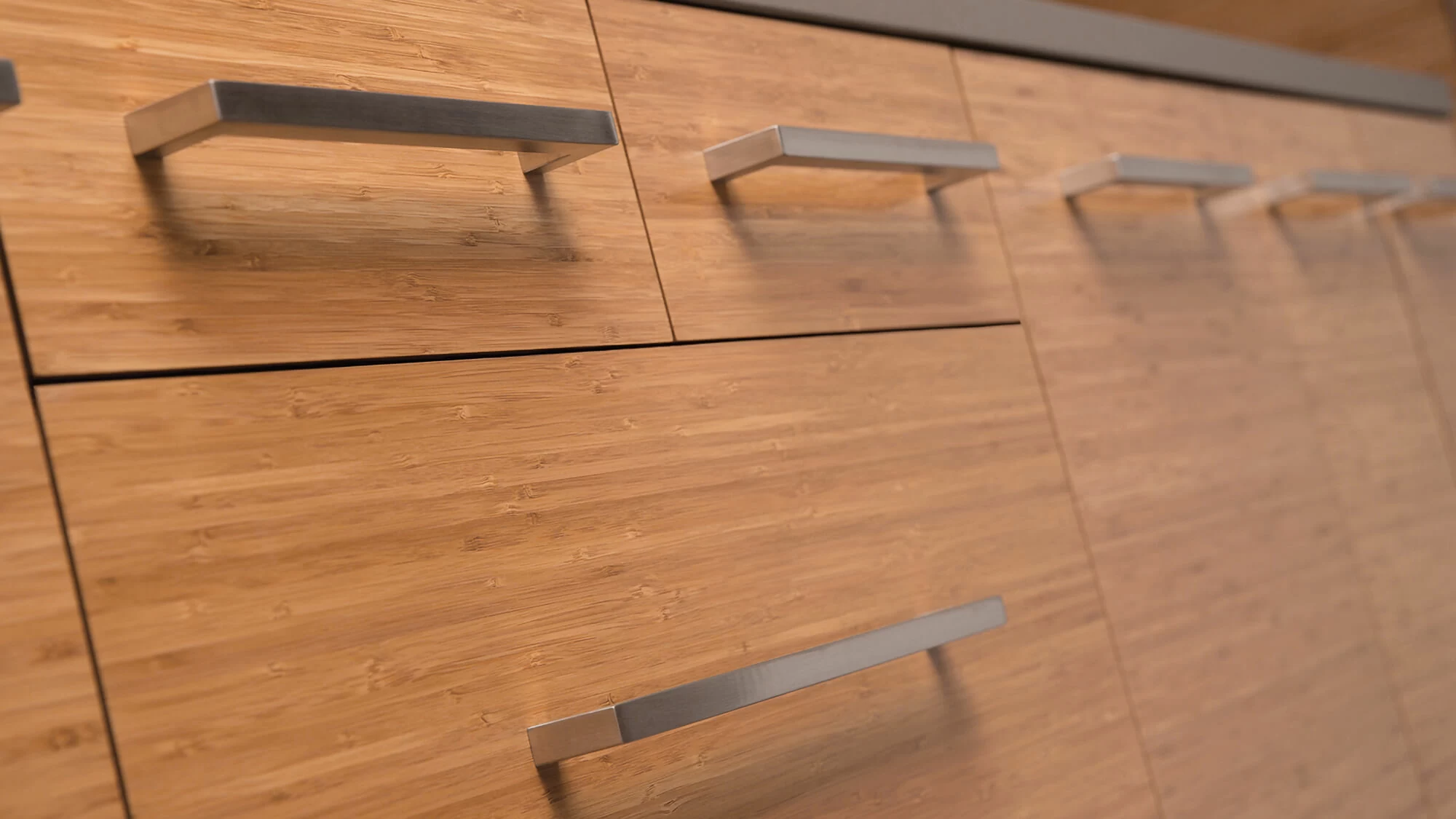
Dura Supreme’s Natural Bamboo cabinets.
Sensory Richness and Personal Connection
Remember that authentic Biophilic design engages all your senses, not just sight. Consider how your kitchen sounds—perhaps incorporating natural materials that create pleasant acoustic qualities, soft-close cabinet drawers and doors, or positioning your kitchen to enjoy the sounds of wind and birdsong through open windows. Think about scent—fresh herbs growing nearby, raw wooden surfaces that carry subtle natural aromas, or simply ensuring good ventilation that allows fresh outdoor air to circulate. Consider touch—selecting countertops, cabinetry, and hardware that feel pleasant under your fingertips, with natural variations in texture that invite interaction. Even taste enters the equation when you grow your own herbs or vegetables, creating a direct connection between your space and your meals!
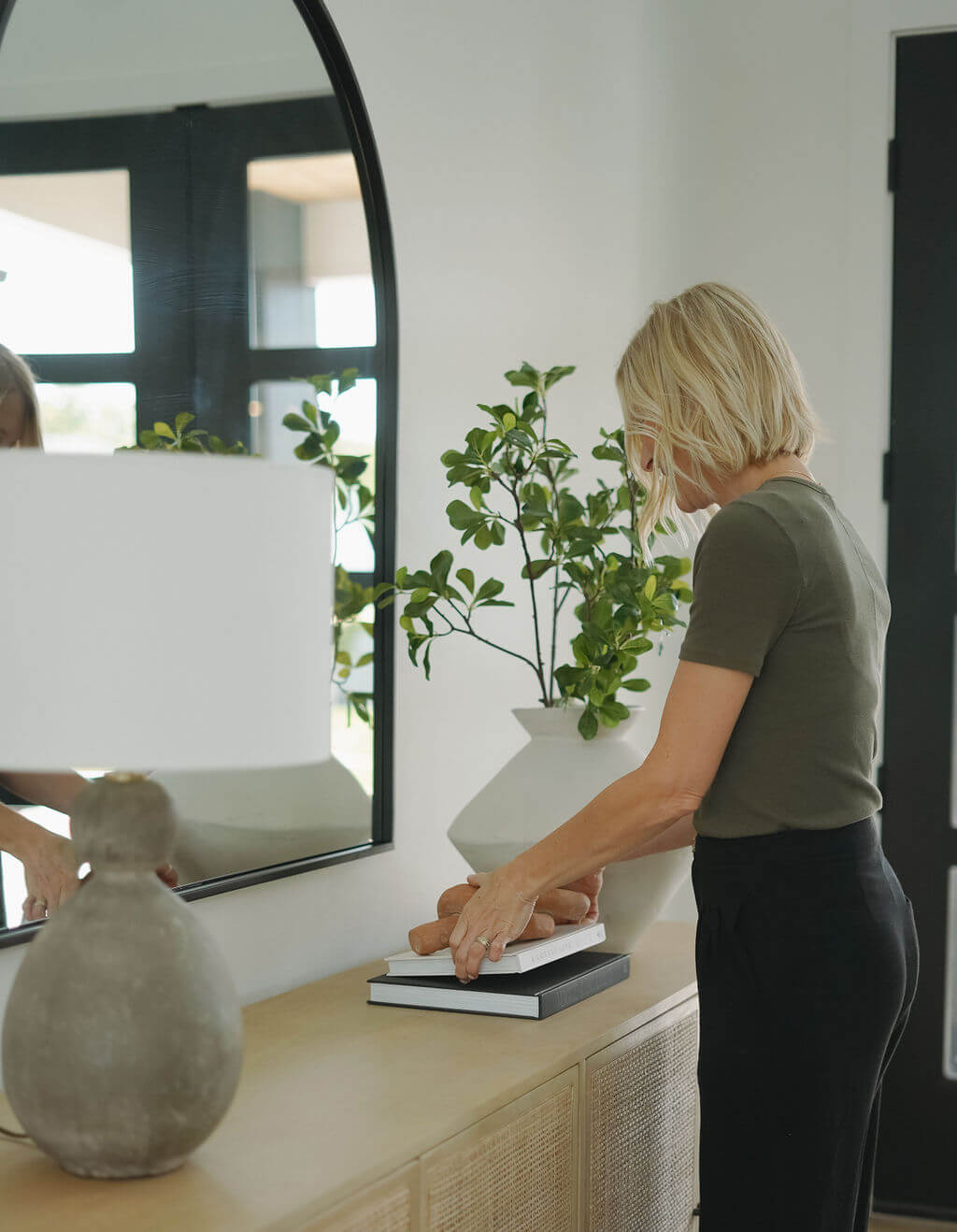
Design by Cabinet style, LLC in Coralville, Iowa.
Embrace the Ideology of Biophilic Design
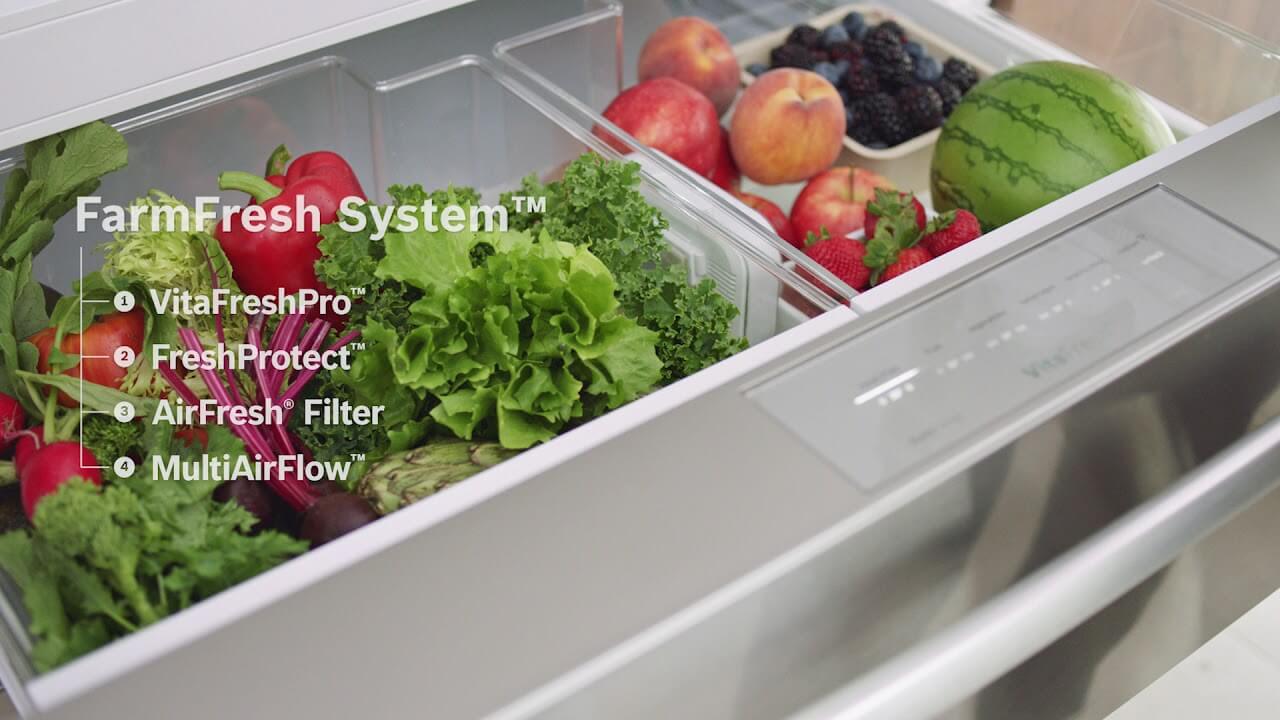
Throughout the entire design process, keep the core philosophy of Biophilic design at the forefront of your decision making. Remember, a true Biophilic kitchen becomes more than a room for cooking. It transforms into your personal sanctuary, an escape that doesn’t require you to leave the comfort of your home. It’s a space that allows you to prepare meals while simultaneously rejuvenating your mind and body, a kitchen that helps you make memories with family while surrounding you with the calming presence of natural elements. For example, choosing kitchen appliances that are designed to prolong the freshness and longevity of freshly grown food will help you choose healthier food choices and less processed foods while also decreasing food waste.
Is Biophilic Your Interior Design Style?
If you find yourself drawn to peaceful, natural environments; if you feel calmer when surrounded by plants and natural elements; if you value wellness, sustainability, and a genuine connection to the outdoors; then Biophilic style may be the perfect design approach for your kitchen.
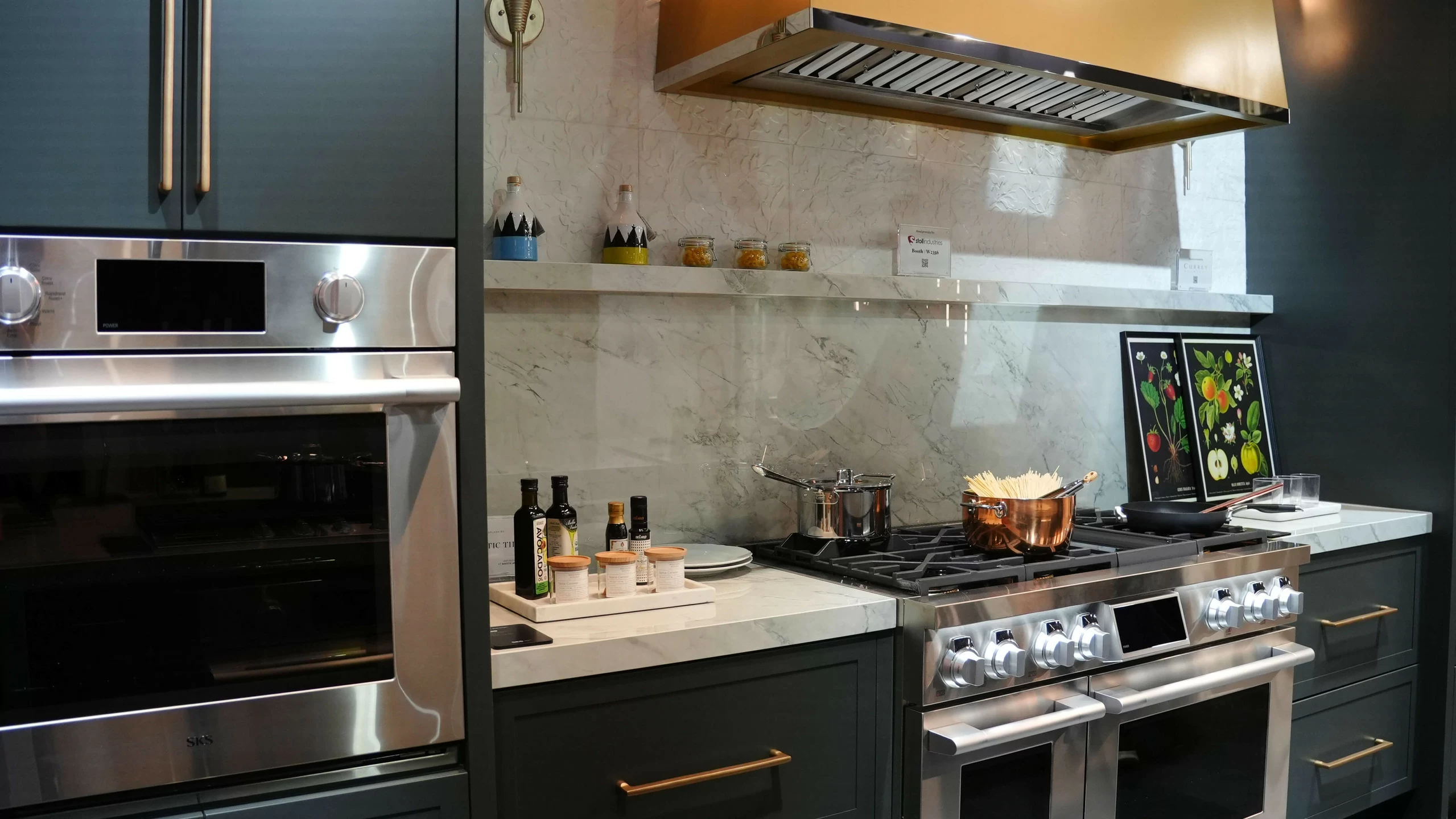
This Biophilic kitchen was displayed at KBIS 2025 featuring appliances by SKS Signature Kitchen Suite and cabinetry by Dura Supreme in the Paris door style with “Rock Bottom” paint. Photo by Dave Davis of DMD Photography.